
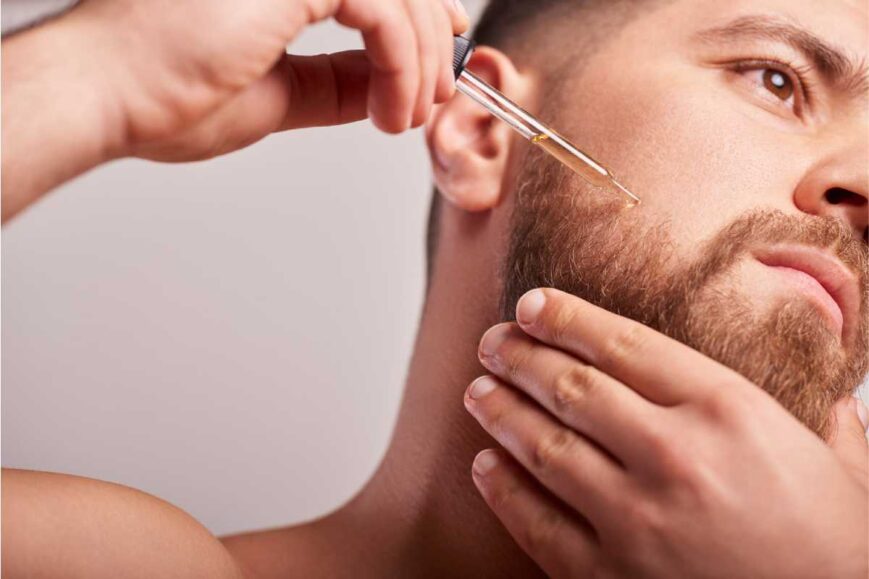
Beard oil is a grooming product designed to moisturize facial hair and the skin beneath it. It’s typically made from a blend of carrier oils and essential oils that nourish hair follicles, soften beard hair, reduce itchiness, and improve overall beard health and appearance.
Unlike beard balms or waxes (which offer hold), beard oil’s primary role is conditioning.
What is the proper way of applying beard growth oil?
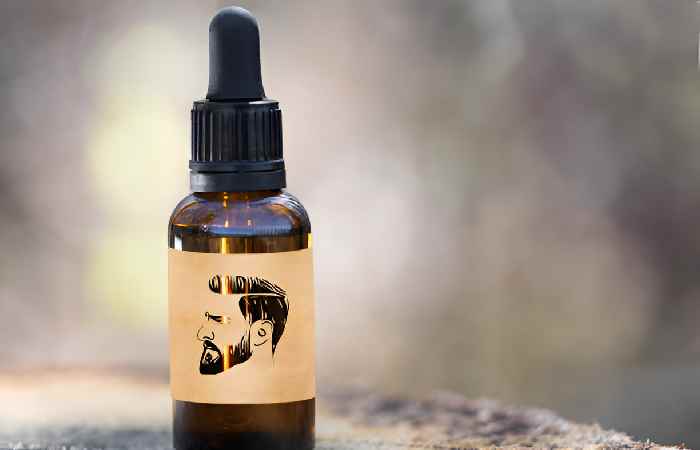
Specific instructions are mentioned on the back of the container. But in this case here is the general way in which this oil is used:
- Put two or three drops of beard oil in your palm and rub your hands together to have the oil dispersed all over your palms and fingers.
- You can add extra oil at a later stage but it is best to use a little amount at first lest you end up having a greasy beard.
- Rub your palms and fingers across the hair on both cheeks.
- Then, rub your hands down the front of your face so that it covers your mustache and chin.
- Go over your mustache again with your fingertips.
- Run a comb through your beard to evenly distribute the oil. Comb both with and against the growth of your hair.
- Apply more oil if you don’t feel like you’ve used enough. People with particularly long or dry beards are most likely to need more.
- Then, comb your beard back into place and groom it as you like.
How Beard Oil Works
| Stage | What Happens | Why It Matters |
| Application | Beard oil is applied to beard and skin | Starts hydration process |
| Absorption | Carrier oils penetrate hair shaft and skin | Deep moisturization |
| Skin nourishment | Oils feed skin beneath the beard | Prevents dryness and itch |
| Hair softening | Hair cuticles smooth out | Beard feels softer |
| Moisture sealing | Oils lock in hydration | Reduces frizz and split ends |
| Beard conditioning | Hair becomes flexible and manageable | Easier grooming |
| Reduced irritation | Inflammation and itching decrease | Comfortable beard growth |
| Healthy shine | Natural light reflection improves | Beard looks well-groomed |
| Protection | Creates a barrier against dryness | Shields from environment |
| Long-term care | Regular use maintains health | Stronger, healthier beard |
How to Use Beard Oil?
| Step | Action | How to Do It Properly | Pro Tip |
| 1 | Wash Your Beard | Clean your beard with a mild beard wash to remove dirt, oil, and sweat | Apply beard oil on a clean beard for best absorption |
| 2 | Towel Dry | Pat your beard dry until it’s slightly damp, not dripping wet | Damp hair helps lock in moisture |
| 3 | Dispense Beard Oil | Take 2–3 drops for short beards, 4–6 drops for medium to long beards | Start with less; you can always add more |
| 4 | Warm the Oil | Rub the oil between your palms for a few seconds | Warm oil spreads more evenly |
| 5 | Apply to Skin | Massage the oil into the skin beneath your beard using fingertips | Healthy skin = healthier beard growth |
| 6 | Work Through Beard | Run your hands downward through your beard from roots to tips | Ensure every strand is coated |
| 7 | Comb or Brush | Use a beard comb or brush to distribute oil evenly | Prevents tangles and adds shine |
| 8 | Style as Needed | Shape your beard using fingers or a beard comb | Use beard balm afterward if extra hold is needed |
When to apply beard oil?
The best time to apply this oil is after washing your face or taking a hot shower when your hair and face are clean. Before using the oil, dry your beard with a towel so that it’s damp but not wet.
You likely don’t need to apply the oil every day. Start by applying it every other day, and adjust as required. You may need to apply the oil more often if you have a long beard or if you live in a particularly dry climate. However, if you notice your beard feels greasy, you can cut back on how often you apply oil.
How Often Should You Use Beard Oil?
| Beard Type | Recommended Usage |
| Short Beard | Once daily |
| Medium Beard | Once daily |
| Long or Thick Beard | 1–2 times daily |
| Dry or Itchy Skin | Daily (preferably after shower) |
Common Ingredients
| Ingredient | Type | Key Benefits | Best For |
| Jojoba Oil | Carrier oil | Mimics natural skin oil, balances moisture | All skin types |
| Argan Oil | Carrier oil | Softens hair, adds shine | Dry, coarse beards |
| Coconut Oil | Carrier oil | Deep conditioning, antibacterial | Thick beards |
| Sweet Almond Oil | Carrier oil | Nourishes skin, reduces itching | Sensitive skin |
| Grapeseed Oil | Carrier oil | Lightweight hydration | Oily skin |
| Castor Oil | Carrier oil | Adds thickness, boosts growth appearance | Thin beards |
| Vitamin E | Nutrient | Antioxidant, repairs damage | Weak hair |
| Tea Tree Oil | Essential oil | Fights dandruff, bacteria | Itchy scalp/beard |
| Peppermint Oil | Essential oil | Improves circulation, fresh scent | Dull growth |
| Lavender Oil | Essential oil | Calms skin, promotes relaxation | Sensitive skin |
| Cedarwood Oil | Essential oil | Supports hair strength, woody scent | Beard styling |
| Eucalyptus Oil | Essential oil | Cleans pores, refreshing feel | Acne-prone skin |
Precautions to be followed
The quantity and frequency you apply this oil is up to you, but you should avoid:
- Putting so much oil on that your beard feels greasy
- Leaving in clumps of uncombed oil
- Pouring the oil directly on your face
- Using oil if it’s causing discomfort or irritation
- Applying oil when your beard is still wet
Common Beard Oil Mistakes to Avoid
| Mistake | Why It’s a Problem |
| Using too much oil | Makes beard greasy and heavy |
| Applying on dirty beard | Traps dirt and bacteria |
| Skipping the skin | Leads to dryness and itchiness |
| Not combing after application | Uneven oil distribution |
Benefits of Beard Oil
- Hydrates dry skin: Beard oil can be used to skin under your beard and would help it to keep it moist. Putting numerous varieties of oil on your skin forms a layer of water repellency to inhibit trans-epidermal water loss.
- Reduce itchiness: Itchiness can be minimized with the help of the moisturizing nature of this oil due to flaking skin.
- Oil your beard: Oils made of saturated or monounsaturated fats can perhaps penetrate the outer layer of your hair, thereby maintaining its natural protection of moisture. This moisture barrier helps to keep your hair moist and supple.
- Antifolliculitic: There are antimicrobial actions in some types of oils such as coconut oil which may prevent folliculitis. Folliculitis inflammation is a umbilical hair loop that is due to bacterial or fungal infection.
- Smooths your beard: Lots of beard oils have a smell and make your beard smell pleasant.
| Benefit | Description |
| Moisturizes Skin | Prevents dryness, itching, and beard dandruff |
| Softens Beard Hair | Makes coarse beard hair smoother and easier to manage |
| Promotes Healthy Growth | Nourishes hair follicles for stronger beard growth |
| Reduces Beard Itch | Soothes irritation, especially during early beard growth |
| Adds Natural Shine | Gives a healthy, non-greasy appearance |
| Prevents Split Ends | Keeps beard hair hydrated and less prone to breakage |
| Improves Beard Texture | Makes beard feel fuller and well-groomed |
| Lightweight & Non-Sticky | Absorbs easily without clogging pores |
How to Use Beard Oil (Step-by-Step)
Step 1: Start With a Clean Beard
- Wash your beard with a mild beard shampoo or cleanser
- Remove dirt, sweat, and buildup
Why: Clean hair absorbs oil better.
Step 2: Towel-Dry Your Beard
- Gently pat your beard dry
- Leave it slightly damp, not dripping wet
Why: Damp hair helps lock in moisture.
Step 3: Measure the Right Amount
- Short beard / stubble: 1–3 drops
- Medium beard: 3–5 drops
- Long beard: 5–8 drops
Why: Too much oil can feel greasy.
Step 4: Warm the Oil
- Rub oil between your palms for a few seconds
Why: Helps spread oil evenly and improves absorption.
Step 5: Massage Into Skin First
- Work oil into the skin under your beard using fingertips
Why: Healthy skin = healthy beard growth.
Step 6: Apply Through Beard Hair
- Run hands through beard from roots to tips
- Ensure even coverage
Why: Softens hair and reduces frizz.
Step 7: Comb or Brush
- Use a beard comb or brush
- Style beard as desired
Why: Distributes oil evenly and prevents tangles.
Step 8: Leave It In
- Do not rinse
- Let oil absorb naturally
Why: Beard oil is a leave-in conditioner.
Choosing the Right Beard Oil
| Factor | What to Look For | Why It Matters | Best Fit For |
| Skin Type | – Dry: richer oils (argan, jojoba)- Oily: lightweight oils (grapeseed)- Sensitive: gentle/unscented | Matches oil weight to skin needs | All skin types |
| Beard Length | Short: lighter formulaMedium/Long: richer formula | Ensures even coverage & no greasiness | Length-specific grooming |
| Beard Texture | Coarse: heavier oils (castor)Fine: lighter oils (jojoba) | Softens specific hair types | Manageability & feel |
| Scent Preference | Unscented or specific essential oils (cedarwood, sandalwood, mint) | Personal preference & comfort | Everyday wear |
| Allergies/Sensitivities | Free from artificial fragrances/parabens | Avoid irritation/reactions | Sensitive skin |
| Purpose | Hydration, growth support, frizz control | Meets your primary grooming goal | Specific needs |
| Absorption Rate | Fast-absorbing vs slow-absorbing | Comfort & feel | Quick grooming |
| Ingredient Quality | Natural/organic carrier + essential oils | Safety & nourishment | Healthy beard |
| Brand Transparency | Clear ingredient list, no harmful chemicals | Trust & safety | Long-term use |
| Price & Value | Good balance of ingredients and cost | Cost-effective grooming | Budget-conscious |
What Is the Difference Between Beard Oil, Beard Balm, and Beard Wax?
The Beard oil, wax, and balms are used in the same way; however, they do not have the same texture. All of them can benefit the same way in terms of moisturizing but can alter your way of styling your beard.
Beard oils: They contain fragrances, carrier and essential oils. It is the lightest and it is not going to drag your beard.
Beard balms: Beard balms are composed of the same kind of oils however they are thicker in nature. They are usually suggested to men who have more beards. Balms absorb slowly compared to oils hence their effect is prolonged. You can also use the additional weight of the balm to style your beard and flyaways.
Beard wax: It is the thickest option of all. Along with the carrier and essential oils, they also usually contain beeswax. This wax gives it the ability to hold your beard in place when you’re trying to achieve a particular style. Wax may be your best option if you find your beard is unruly or hard to manage.
| Aspect | Beard Oil | Beard Balm | Beard Wax |
| Primary Purpose | Moisturizes beard and skin | Moisturizes + light styling | Strong styling and shape control |
| Texture | Lightweight liquid | Semi-solid (buttery) | Thick, waxy |
| Hold Strength | No hold | Light to medium hold | Strong hold |
| Key Ingredients | Carrier oils (jojoba, argan), essential oils | Oils + butters (shea, cocoa) + beeswax | Beeswax-heavy, minimal oils |
| Best For | Dry, itchy skin and beard nourishment | Short to medium beards needing control | Long or styled beards |
| Shine Level | Natural shine | Mild shine | Low to no shine |
| Skin Benefits | Hydrates skin under the beard | Prevents dryness and flakiness | Limited skin benefits |
| Daily Use | Yes | Yes | Occasionally |
| Ideal Beard Type | Any beard length | Medium to thick beards | Thick, unruly beards |
Final Thoughts
To conclude, it has not been proven that beard oil makes your beard grow faster. However, it can give a shiny texture to your beard and helps to keep it hydrated. It can easily be available at most places that sell men’s grooming products, or you can make your own with castor oil or coconut oil.