

Pus Cells in Urine 25–30 HPF Treatment in a urine routine test usually indicates moderate to significant urinary tract inflammation, most commonly due to a urinary tract infection (UTI).
What It Means – Pus Cells in Urine (25–30 HPF)
| Test Finding | What It Means | Possible Reason |
| 0–5 Pus Cells / HPF | Normal range | Healthy urinary tract |
| 6–10 HPF | Mild increase | Early or mild infection, contamination |
| 25–30 HPF | Moderate to high increase | Likely urinary tract infection (UTI) |
| >30 HPF | Significant infection/inflammation | Severe UTI, kidney infection, or other urinary issue |
| With bacteria present | Active infection | Bacterial UTI |
| With fever & pain | Complicated infection | Possible kidney involvement |
| Without symptoms | Asymptomatic bacteriuria or contamination | May need repeat test |
Pus Cells in Urine 25–30 HPF Treatment
| Cause | Condition Details | Primary Treatment | Duration | Additional Notes |
| Simple Bacterial UTI | Infection limited to bladder (cystitis) | Oral antibiotics (e.g., Nitrofurantoin, Fosfomycin, Cefixime – as prescribed) | 3–7 days | Most common cause; urine culture recommended |
| Severe UTI / Kidney Infection (Pyelonephritis) | Infection spreads to kidneys; fever & back pain present | Strong oral or IV antibiotics | 7–14 days | May require hospitalization |
| Recurrent UTI | ≥2 infections in 6 months | Longer antibiotic course or low-dose preventive antibiotics | Weeks to months (if preventive) | Lifestyle changes & further testing needed |
| Kidney Stones with Infection | Stones causing blockage & infection | Antibiotics + pain relievers + stone management | Depends on stone size | Ultrasound/CT scan may be required |
| Sexually Transmitted Infection (STI) | Infection due to organisms like Chlamydia/Gonorrhea | Targeted antibiotics | As prescribed (single dose to 7 days) | Partner treatment required |
| Prostatitis (Men) | Prostate gland infection | Antibiotics (often longer course) | 2–4 weeks | Common in adult men |
| Pregnancy-related UTI | UTI during pregnancy | Pregnancy-safe antibiotics | 5–7 days | Close monitoring required |
| Asymptomatic Bacteriuria | Bacteria without symptoms | Treatment only if pregnant or high-risk | As advised | Not always treated in healthy adults |
| Non-bacterial Causes (Inflammation) | No bacteria found | Anti-inflammatory care & hydration | Depends on cause | Repeat test may be needed |
How to diagnose Pus cells in urine?
Urinalysis enables you to find pus cells. In this case, you need to contact your doctor and perform further tests to figure out the main cause of pus cells in urine.
How many pus cells are described as normal in urine?
Usually, four pus cells in urine are normal if the number exceeds more than that it is a matter of concern as it indicates certain underlying problems. The pus cells normal range differs for men and women when observed under a high-powered microscope
In males, less than four pus cells/HPF in urine comes under the normal range whereas in females 5 to 7 cells/HPF are considered as normal range. Any changes in the quantity of pus cells in urine are also physically observable in your urine. The urine may look thicker and cloudy, just like pus. That’s why it is important to consult a doctor when you observe changes in urine
What is the reason for the formation of pus cells in urine?
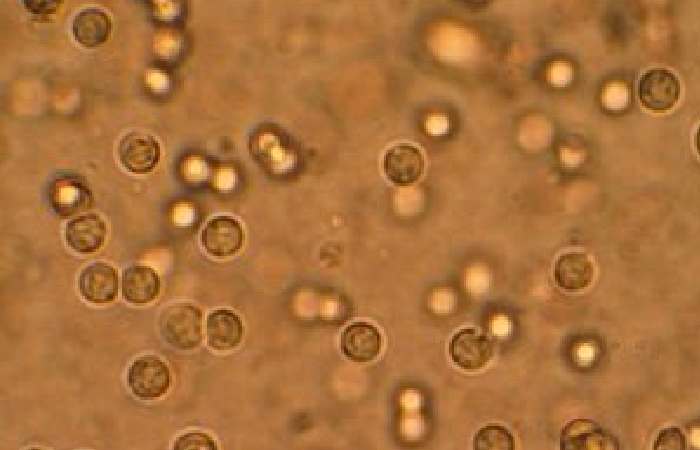
Viral or bacterial infection results in the formation of pus cells in urine. Besides bacteria, there are certain other reasons you may find pus cells in urine and they are as follows:
• Urinary tract infection: It refers to an infection in any part of the urinary system such as the bladder, urethra, ureter, or kidneys.
• Sexually transmitted infections (STIs) e.g., gonorrhea
• Parasites
• Polycystic kidney disease
• Autoimmune disease
• Tumour in the urinary tract
• Urinary tract stones
• Consumption of nonsteroidal anti-inflammatory drugs (NSAIDs) like ibuprofen or aspirin
• Tuberculosis
• Interstitial cystitis
• Kidney diseases
• Bacteremia with sepsis
• Pneumonia
• Prostatitis
• Diuretics
• Penicillin antibiotics
• Proton pump inhibitors like omeprazole
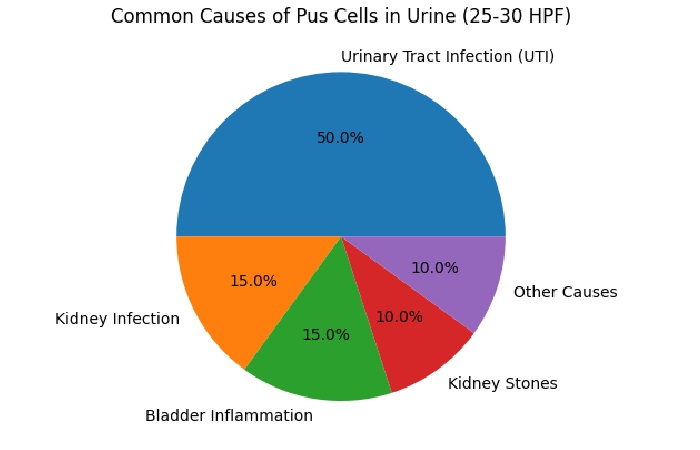
Common Causes of Pus Cells in Urine (25–30 HPF)
| Cause | Description | Risk Level | Common in |
| Urinary Tract Infection (UTI) | Bacterial infection of bladder or urethra | High | Women |
| Kidney Infection (Pyelonephritis) | Infection spreads to kidneys | Severe | Untreated UTI cases |
| Bladder Inflammation (Cystitis) | Inflammation of bladder lining | Moderate | Adults |
| Kidney Stones | Stones irritate urinary tract | Moderate | All age groups |
| Sexually Transmitted Infections (STIs) | Infection affecting urinary system | Variable | Sexually active adults |
| Poor Hygiene | Leads to bacterial growth | Mild to Moderate | Children & elderly |
When should you go for a pus cell in urine test?
The existence of pus cells in urine usually shows a urinary tract infection or, in some severe cases, can be a symptom of sepsis or other health conditions. When you notice one or more symptoms, you should immediately consult your doctor and go for your pus cells in urine test.
Symptoms Associated with 25–30 Pus Cells
| Symptom | Why It Happens |
| Burning during urination | Irritated urinary lining |
| Frequent urge to urinate | Bladder inflammation |
| Lower abdominal pain | Infection spreading |
| Cloudy or foul-smelling urine | Presence of bacteria & pus |
| Fever | Severe infection |
| Back pain | Kidney involvement |
If fever and back pain are present, it may indicate kidney infection, which needs urgent treatment.
Estimated UTI Cases Worldwide (Indicative, Millions)
| Year | Approx. Number of UTI Cases (Millions) | Source / Notes |
| 2019 | ~404.6 million | Global Burden of Disease (latest published dataset) (Dr.Oracle) |
| 2020 | ~415 million (estimate) | Extrapolated upward trend from 2019 data (no exact official figure) |
| 2021 | ~430 million (estimate) | Continued increase in incidence globally |
| 2022 | ~440 million (estimate) | Trend assumed to continue (data not yet published) |
| 2023 | ~450 million (estimate) | Based on rising global population and infection burden |
| 2024 | ~460 million (estimate) | Extrapolated incidence trend |
| 2025 | ~470 million (estimate) | Trend projection |
| 2026 | ~480 million (estimate) | Estimated projection based on ongoing increase |
Prices
| Region / Country | Antibiotic Treatment (simple UTI) | Diagnostic Tests (urinalysis + culture) | Hospital / Severe Care |
| United States (no insurance) | – Trimethoprim/Sulfamethoxazole: $15–$50– Nitrofurantoin: $25–$60– Fosfomycin (single‑dose): $50–$200+– Ciprofloxacin: $20–$100+ | Urinalysis or dipstick & culture often $7–$50+ out‑of‑pocket | Uncomplicated hospital cost varies, could be hundreds to thousands $/day depending on care (IV antibiotics, bed charges, etc.) |
| United Kingdom (NHS) | Antibiotics often subsidised; typical cost to NHS ~ £5–£30 supply (e.g., fosfomycin, nitrofurantoin) | Tests usually covered by NHS for residents | Hospital care usually covered; patient pays minimal direct cost |
| Europe (varies) | In some EU countries, generic antibiotics like fosfomycin can cost as low as €2–€10 per course (public sector prices) | Routine urine tests typically low‑cost or subsidised | Outpatient care often inexpensive; hospital fees vary |
| India (private pharmacy) | Generic antibiotics are very low cost (often ₹30–₹100 per course in public sector estimates) – note example costs for nitrofurantoin ~₹96 noted in a public health costing study(htain.dhr.gov.in) | Urinalysis ~₹300–₹390; urine culture often ~₹390 or more in private settings(htain.dhr.gov.in) | Hospital care for severe cases can vary widely (₹2,000+ per day or much more in private settings)(htain.dhr.gov.in) |
| General Global (developed markets) | Cost per uncomplicated UTI resolved has been modelled around £60–£90 when accounting for all healthcare contacts and drug costs (e.g., trimethoprim, fosfomycin, nitrofurantoin) | Diagnostic testing portion usually small relative to therapy | Inpatient treatment costs rise steeply if complications occur |
| Emerging/Low‑income Regions | Antibiotics often extremely inexpensive in generic form (few USD) but availability may vary; brand name drugs can be higher | Costs of tests vary widely; public clinics often subsidise tests | Hospitalisation often much more expensive relative to average income |
Supportive Care – Pus Cells in Urine (25–30 HPF)
| Supportive Measure | How It Helps | Recommended Amount / Tip |
| Drink Plenty of Water | Flushes out bacteria from urinary tract | 2–3 liters daily (unless restricted by doctor) |
| Coconut Water | Natural hydration & soothing effect | 1 glass daily |
| Barley Water | May help reduce urinary irritation | 1–2 cups per day |
| Frequent Urination | Prevents bacterial buildup | Do not hold urine |
| Maintain Genital Hygiene | Reduces reinfection risk | Wash gently, keep area dry |
| Wear Cotton Underwear | Improves airflow & reduces moisture | Change daily |
| Avoid Irritants | Prevents bladder irritation | Avoid spicy foods, caffeine, alcohol |
| Warm Compress (Lower Abdomen) | Relieves discomfort or cramps | 10–15 minutes as needed |
| Complete Prescribed Antibiotics | Ensures full infection clearance | Follow full course as directed |
When to See a Doctor Immediately
| Warning Sign | What It May Indicate | Why Immediate Care Is Needed |
| High Fever (above 101°F / 38.5°C) | Kidney infection (pyelonephritis) | Infection may spread to bloodstream |
| Severe Lower Back / Side Pain | Kidney involvement | Possible serious infection |
| Burning Urination with Worsening Pain | Active UTI | Needs prompt antibiotic treatment |
| Blood in Urine (Red/Pink urine) | Infection, stones, or injury | Requires medical evaluation |
| Vomiting or Nausea | Severe infection | Risk of dehydration & complications |
| Frequent Urge with Very Little Urine | Bladder inflammation | Needs assessment |
| Symptoms Not Improving After 2–3 Days | Resistant bacteria | May need culture-based antibiotics |
| Pregnancy with UTI Symptoms | Risk to mother & baby | Requires urgent treatment |
| Children or Elderly with Symptoms | Higher complication risk | Early medical care recommended |
Ends
Pyuria is a condition where you will detect pus cells or white blood cells in your pee. If you notice a quick change in the color or smell of your urine you should immediately contact doctor and find out if there is a cause for concern. Usually, up to four pus cells in urine are normal however any more than that you may have to go through further tests.