
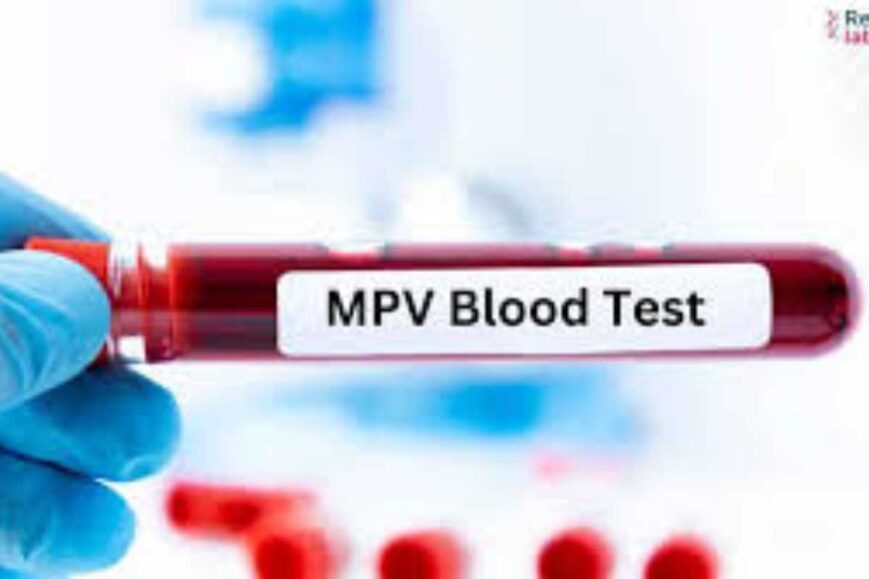
MPV blood test refers to a mean platelet volume test performed to measure the size of your platelets. Doctors can identify a person’s health conditions, such as cardiovascular disease, anemia, and some cancers, by performing an MPV test and other tests.
Blood comprises many types of cells, including platelets, red blood cells, white blood cells, red and platelets.
Doctors usually suggest performing these blood tests on their patients to examine these cells for signs of health issues. Knowing the results can aid you in understanding your health condition and whether you need treatment for any particular disorder.
Remember that many factors can affect the MPV level, and a doctor must understand the results in the context of other findings.
Details about MPV Blood Test
CBC test (Complete Blood Count) is the most common test doctors recommend to determine the health condition of their patients. CBC test refers to a series of tests examining particular kinds of cells in your blood.
MPV test is one of the tests performed among the series of tests included in the CBC test. An MPV test is done to measure the average size of your platelets, and it is closely related to the platelet count test, which measures the platelet count in your blood.
Platelets remain tiny blood cells that play an essential role in blood clotting. For instance, platelets stick together to stop the bleeding when you cut yourself. In some cases, platelet abnormalities can indicate a bleeding disorder or other health issues.
A high or low MPV should be interpreted within the context of other CBC results, like platelet count. In most cases, using your MPV test results, the doctor will decide whether to do or not to do further testing, such as a bone marrow biopsy.
Certain things can affect your MPV, such as following a vigorous exercise routine or living at a high altitude. Review your test results with your doctor to get the complete picture.
Testing process
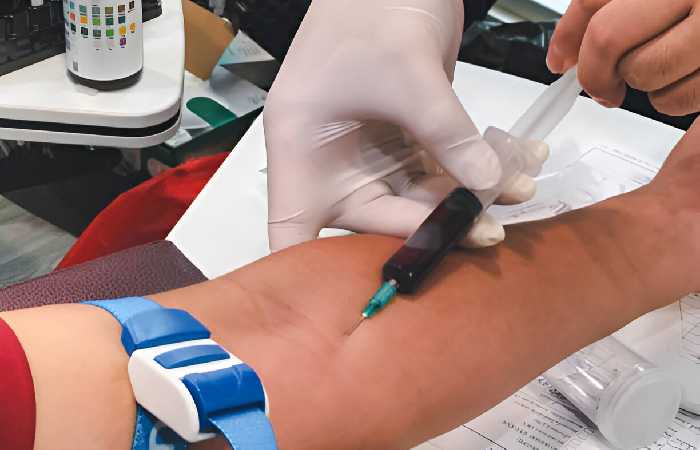
Testing your MPV is an easy process. Your primary care physician usually does it during your annual checkup.
A phlebotomist is a person who is exceptionally trained to do all the blood tests. He will wrap a strap around your arm to engorge your veins. Afterward, they insert a thin needle into your veins and draw blood into the test tubes. You will feel slight pain, but may have some tenderness and bruising in the coming days.
MPV Blood Test High: What It Means and Why It Matters
A high MPV blood test result means your Mean Platelet Volume (MPV) is above the normal range. MPV tells you the average size of your platelets—the blood cells that help with clotting. When MPV is high, it usually means your body is producing larger, younger platelets, often in response to platelet destruction or increased demand.
MPV Blood Test High — Quick Overview Table
| Parameter | Details |
|---|---|
| Test Name | Mean Platelet Volume (MPV) |
| Normal Range | 7.5 – 11.5 fL (may vary by lab) |
| High MPV Means | Larger-than-average platelets in the blood |
| Common Causes | Inflammation, infection, vitamin B12 or folate deficiency, recovery after blood loss, and immune thrombocytopenia |
| Associated Conditions | Cardiovascular disease risk, diabetes, thyroid disorders, and bone marrow activity |
| Symptoms | Often none; sometimes fatigue, easy bruising, or clotting issues |
| Next Steps | Correlate with platelet count, CBC, and clinical symptoms |
| Treatment | Depends on the underlying cause, not MPV alone |
What Causes a High MPV Blood Test?
A high MPV value is not a disease by itself. It usually points to an underlying process in the body.
Common reasons include:
-
Inflammation or infection – Platelets become more active and larger
-
Low platelet count (thrombocytopenia) – Bone marrow releases younger platelets
-
Vitamin B12 or folate deficiency – Affects platelet production
-
Recovery after bleeding or surgery – New platelets are larger
-
Chronic conditions – Diabetes, heart disease, thyroid imbalance
Is High MPV Dangerous?
High MPV alone is not dangerous, but it can be a risk marker when seen with other abnormal results.
| Scenario | What It May Indicate |
|---|---|
| High MPV + Low Platelet Count | Increased platelet destruction |
| High MPV + Normal Platelets | Early inflammation or stress response |
| High MPV + High Platelets | Possible bone marrow stimulation |
| Persistent High MPV | Needs medical evaluation |
Doctors usually look at MPV together with platelet count and symptoms before making conclusions.
When Should You Worry About High MPV?
You should consult a doctor if:
-
MPV remains high in repeat tests
-
You have symptoms like unusual bruising, bleeding, or clots
-
MPV is high, along with abnormal CBC values
-
You have a history of heart disease or autoimmune disorders
What is a High MPV?
A high MPV means that your platelets are more significant than average. It is sometimes a sign that you’re producing more platelets.
Platelets remain formed in the bone marrow and are then released into the bloodstream. More giant platelets are usually young and more freshly released from the bone marrow. Minor platelets are more likely to remain in circulation for some days.
A person with a low platelet count and a high MPV level indicates that the bone marrow is fast-producing platelets. It may be because the older platelets are being ruined, so the bone marrow remains trying to compensate.
Cancer
Increased MPV is related to platelet activation, which can occur when platelets encounter tumor byproducts. Still, a high MPV doesn’t mean that you have cancer. Your doctor suggests some additional testing if you have a family history of cancer or other risk factors to ensure there are no further signs.
If you do have cancer, a high MPV may be a cautionary sign, depending on the results of other blood tests. Platelets can help cancer spread to different parts of the body besides promoting the growth of tumors.
A high MPV refers to increased platelet production, which is related to reduced survival rates in several types of cancer, including:
- Lung cancer
- Ovarian cancer
- Endometrial cancer
- Colon cancer
- Kidney cancer
- Stomach cancer
- Pancreatic cancer
- Breast cancer
Remember that MPV only refers to the size of your platelets, not their actual number. Your MPV on its own doesn’t mean you have anything.
If you’re worried about cancer, some of the warning signs can help you determine your health condition.
- Weight gain or loss for no reason
- Appetite changes
- Breast changes
- Changes in bowel habits
- Thickening skin or a lump on or under your skin
- Cough or hoarseness that doesn’t go away
- Difficult or painful urination
- Skin changes
- Trouble swallowing
- Abdominal pain
- Unexplained night sweats
- Rare bleeding or discharge in urine or stool
- Feeling weak or very tired
Further causes
According to your other CBC results, high MPV levels can be an indicator of quite a few conditions, such as:
- Heart disease
- Diabetes
- Hyperthyroidism
- Deficiency of vitamin D
- High blood pressure
- Atrial fibrillation
- Stroke
What is a Low MPV?
A low MPV means that your platelets are tinier than average. Minor platelets tend to be older, so a low MPV might mean your bone marrow isn’t producing adequate new ones. Yet again, a tiny MPV alone doesn’t refer to anything.
According to your other CBC results, a low MPV could specify:
- Cytotoxic medications, which are used in chemotherapy
- Inflammatory bowel disease, including Crohn’s disease or ulcerative colitis
- Aplastic anemia
Conclusion
An MPV test measures the standard size of your platelets. Even though thoroughly related, it’s diverse from your platelet count, and you can opt for a combination of a high MPV, besides a low platelet count, or a low MPV, besides a high platelet count.
A high or low MPV may be entirely ordinary, depending on your lifestyle. As per the other results from your CBC, it can signal to your doctor to do extra testing to rule out any possible underlying conditions.