
 Khizrana Begum
Health & Wellness Writer
Khizrana Begum is a health and wellness writer
focused on clear, practical, and reader-friendly
health, nutrition, fitness, and lifestyle content.
Read Full Bio of Author →
Khizrana Begum
Health & Wellness Writer
Khizrana Begum is a health and wellness writer
focused on clear, practical, and reader-friendly
health, nutrition, fitness, and lifestyle content.
Read Full Bio of Author →
 Sameena Begum
Health, Wellness & Digital Content Reviewer
Sameena Begum reviews health, wellness, fitness, nutrition, and digital content for clarity, factual presentation, consistency, and reader usefulness.
Read Full Bio of Reviewer →
Sameena Begum
Health, Wellness & Digital Content Reviewer
Sameena Begum reviews health, wellness, fitness, nutrition, and digital content for clarity, factual presentation, consistency, and reader usefulness.
Read Full Bio of Reviewer →
 Dr. Syed Imtiaz
General Physician & Dermatologist
Dr. Syed Imtiaz is an MBBS and MD qualified
medical professional with 5+ years of experience
in general medicine and dermatology.
Read Full Bio of Medical Reviewer →
Dr. Syed Imtiaz
General Physician & Dermatologist
Dr. Syed Imtiaz is an MBBS and MD qualified
medical professional with 5+ years of experience
in general medicine and dermatology.
Read Full Bio of Medical Reviewer →
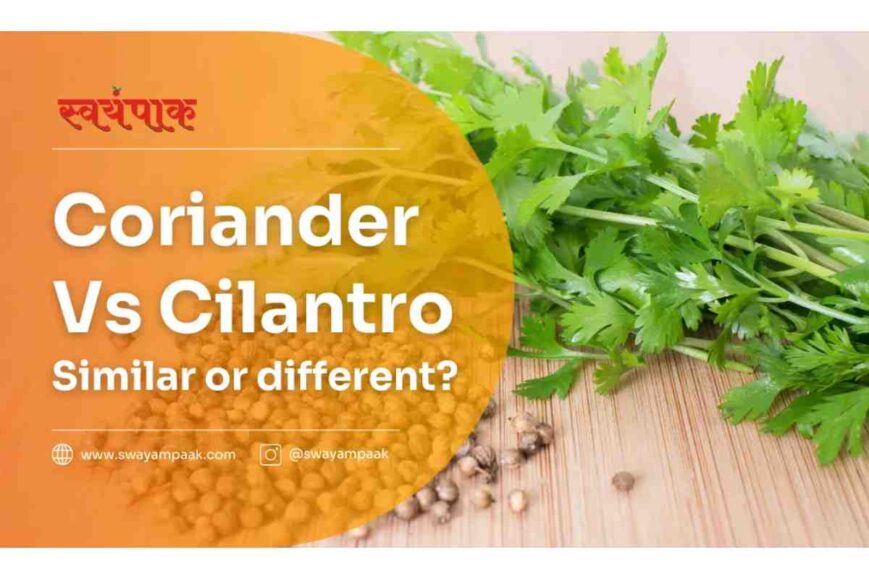
Coriander vs. Cilantro is one of those food questions that pops up when you’re cooking, scrolling recipes, or standing confused in the grocery store aisle thinking, “Wait… aren’t these the same thing?”
I’ve been there. More than once.
You open a recipe. It says cilantro.
Your spice rack says coriander.
Your brain says, Please don’t let me mess this up.
So let’s clear this up once and for all — no chef talk, no fluff, no weird food snob energy. Just real talk, like we’re figuring this out over coffee.
Is coriander the same as cilantro?
Short answer?
Yes… and also no.
Annoying, I know.
Here’s the simplest way I explain it to friends:
- In the U.S.
- Cilantro = fresh green leaves and stems
- Coriander = dried seeds (the spice)
- In many other countries
- Coriander = the whole plant (leaves, stems, seeds)
So when people argue about coriander vs. cilantro, they’re usually not wrong — they’re just talking from different food cultures.
Coriander vs. Cilantro: Quick Comparison Table
| Aspect | Coriander | Cilantro |
|---|---|---|
| What it refers to (U.S.) | Seeds of the plant | Fresh leaves and stems |
| Form | Whole seeds or ground powder | Fresh green herb |
| Flavor profile | Warm, mild, slightly citrusy | Fresh, bright, slightly peppery |
| Texture | Dry, crunchy (seeds) / powdery | Soft, leafy |
| Common use | Cooked dishes, spice blends | Garnish, fresh dishes |
| Heat tolerance | High (used during cooking) | Low (added at the end) |
Why Americans say “cilantro” and not coriander
This is where things get interesting.
The word cilantro comes from Spanish, and it stuck in American kitchens because:
- Mexican cuisine uses fresh cilantro a lot
- Latin American recipes became mainstream in the U.S.
- Grocery stores needed a clear way to separate leaves vs. seeds
So instead of saying:
“Fresh coriander leaves”
Americans just say:
Cilantro
Meanwhile, coriander stayed reserved for the dried spice — those tiny round seeds that taste warm and citrusy.
Coriander vs. Cilantro: what part of the plant are we talking about?
Let’s break it down in a way that actually sticks.
Cilantro (fresh herb)
- Leaves + stems
- Bright green
- Strong, fresh smell
- Used raw or added at the end
Coriander (spice)
- Dried seeds
- Light brown, round
- Warm, slightly sweet flavor
- Used in cooking and spice blends
Same plant. Totally different vibe.
Coriander vs. Cilantro: Plant Part Breakdown
| Plant Part | Name Used | Common Usage |
|---|---|---|
| Leaves | Cilantro | Chutneys, salsa, salads |
| Stems | Cilantro | Cooking bases, sauces |
| Seeds | Coriander | Curries, spice mixes |
| Powder | Coriander powder | Marinades, stews |
What does cilantro taste like (and why some people hate it)?
If you love cilantro, you probably describe it as:
- Fresh
- Citrusy
- Clean
- Slightly peppery
If you hate cilantro…
You might say it tastes like soap.
Fun fact (and yes, this is real):
Some people have a genetic trait that makes cilantro taste soapy. If that’s you, trust me — you’re not being dramatic.
I’ve watched friends push their plate away like, “Why did you ruin this perfectly good meal?”
What does coriander (the spice) taste like?
Coriander seeds are a totally different experience.
Think:
- Warm
- Mildly sweet
- Citrusy but earthy
- Almost nutty when toasted
You’ll find coriander spice in:
- Curry powders
- Garam masala
- Pickling spices
- Sausages
- Baked goods (yep, sometimes desserts)
No soap vibes here. Ever.
For another look at how individual spices can add flavor to everyday meals, check out these clove benefits and uses.
Coriander vs. Cilantro in cooking: when to use what
This is where people mess up — and where it actually matters.
Use cilantro when:
- You want freshness
- The dish needs a pop at the end
- You’re making:
- Salsa
- Guacamole
- Tacos
- Rice bowls
- Soups (as garnish)
Tip I live by:
Cilantro goes in last. Heat kills its flavor.
Use coriander seeds or powder when:
- You want warmth and depth
- The dish is cooked or slow-simmered
- You’re making:
- Curries
- Stews
- Marinades
- Spice rubs
- Roasted veggies
Another kitchen truth:
Toasted coriander seeds taste 10x better than raw.
Coriander vs. Cilantro: Usage in Cooking
| Dish Type | Coriander | Cilantro |
|---|---|---|
| Curries | Common | Rare |
| Soups | Flavor base | Garnish |
| Salsas | Not used | Essential |
| Marinades | Yes | Sometimes |
| Rice dishes | Spice blends | Finishing touch |
| Salads | No | Yes |
Can you substitute coriander for cilantro (or vice versa)?
Honestly?
Not really.
They’re not interchangeable in the way basil and parsley sometimes are.
If a recipe calls for cilantro and you only have coriander powder:
- The flavor won’t match
- The freshness will be missing
- The dish will feel “off”
If you must fake it:
- Try parsley + a squeeze of lime
- Or skip it entirely (yes, it’s okay)
The same principle applies when looking for an oyster sauce substitute: the best alternative depends on the flavor and texture you want to preserve in your dish.
Why recipes online make coriander vs. cilantro confusing
Here’s a common problem I see all the time:
You read a recipe written by someone outside the U.S.
They say “add chopped coriander.”
You think:
“Cool, coriander powder.”
Wrong move.
They meant fresh cilantro leaves.
This is why understanding coriander vs. cilantro saves you from kitchen regret.
Coriander vs. Cilantro around the world
Let’s zoom out for a second.
- U.S. & Canada
- Cilantro = leaves
- Coriander = seeds
- UK, India, Australia
- Coriander = leaves + seeds
- Context tells you which one
- Mexico
- Cilantro everywhere (and I mean everywhere)
So when you’re following international recipes, always check:
- Are they talking about fresh or ground?
- Is it added during cooking or at the end?
Health benefits: cilantro vs. coriander
I won’t go full wellness-guru here, but both have perks.
Cilantro benefits:
- Fresh herbs = antioxidants
- Supports digestion
- Adds flavor without extra calories
Coriander seed benefits:
- Aids digestion
- May help with bloating
- Used traditionally for gut health
Not magic. Just solid, useful food.
Coriander vs. Cilantro: Health Benefits
| Aspect | Cilantro (Fresh Leaves & Stems) | Coriander (Seeds / Powder) |
|---|---|---|
| Primary Form Used | Fresh herb (raw or lightly added at the end) | Dried seeds or ground spice |
| Digestive Support | Helps stimulate digestion and reduce gas | Known for easing bloating and improving gut comfort |
| Detox Support | Traditionally used to help flush heavy metals | Supports liver function and digestion |
| Antioxidant Content | Rich in antioxidants that fight oxidative stress | Contains powerful plant compounds with antioxidant effects |
| Anti-Inflammatory Properties | May help calm mild inflammation | Known to reduce inflammation and joint discomfort |
| Blood Sugar Support | Can help regulate blood sugar levels | Often linked to improved insulin activity |
| Heart Health | Supports healthy cholesterol levels | May help lower bad cholesterol (LDL) |
| Immune System Support | Fresh herbs boost immune defenses | Antimicrobial properties support immune health |
| Skin Benefits | Used traditionally for clearer skin | Helps reduce skin irritation and inflammation |
| Nutrient Highlights | Vitamin A, Vitamin C, Vitamin K | Iron, magnesium, fiber |
| Best Way to Use | Fresh garnish, salads, chutneys, salsas | Cooking, spice blends, teas, marinades |
| Taste & Impact | Bright, fresh, cooling | Warm, slightly sweet, grounding |
When planning balanced meals, it can also help to understand the nutritional information on packaged drinks, such as the Coke Zero nutrition label, rather than focusing on individual ingredients alone.
How I personally remember the difference
This is my mental shortcut:
- Cilantro = green + fresh + raw
- Coriander = brown + warm + cooked
If it’s leafy and looks like parsley?
Cilantro.
If it’s a spice jar with tiny seeds or powder?
Coriander.
Done.
Common coriander vs. cilantro mistakes (that I’ve made too)
Let me save you some pain:
- Adding cilantro too early while cooking
- Using coriander powder instead of fresh cilantro
- Assuming every recipe uses American terms
- Skipping the herb entirely when it actually matters
Cooking gets way easier once this clicks.
Internal linking opportunities (natural fit)
You could easily link this article to:
- Herb substitutes for cooking
- Common spice differences explained
- Cilantro alternatives for people who hate it
- Beginner-friendly spice guides
This topic fits beautifully into any food, wellness, or cooking basics content cluster.
So… coriander vs. cilantro — does it really matter?
Yes.
But once you understand it, it stops being confusing forever.
Same plant.
Different parts.
Different names depending on where you live.
And now, when someone asks you:
“Is coriander the same as cilantro?”
You won’t hesitate. You’ll just smile — because coriander vs. cilantro finally makes sense.
For readers interested in other food production methods, lab-grown chicken meat offers another perspective on how food can be produced beyond traditional farming.
If you’re exploring nutrition products alongside fresh ingredients, you can also read this comparison of Boost vs. Ensure nutritional drinks.
For more practical kitchen tips, see this guide to finding a substitute for baking soda.
Khizrana Begum creates clear and reader-friendly content covering health, wellness, nutrition, fitness, and healthy lifestyle topics.
View Author Profile →
Sameena Begum reviews health, wellness, fitness, nutrition, and digital content for clarity, factual presentation, consistency, and reader usefulness.
View Reviewer Profile →
Dr. Syed Imtiaz is an MBBS and MD qualified medical professional with 5+ years of experience in general medicine and dermatology.
View Medical Reviewer Profile →