Author: Health Cares In

  • Cod Liver Oil Vs Fish Oil

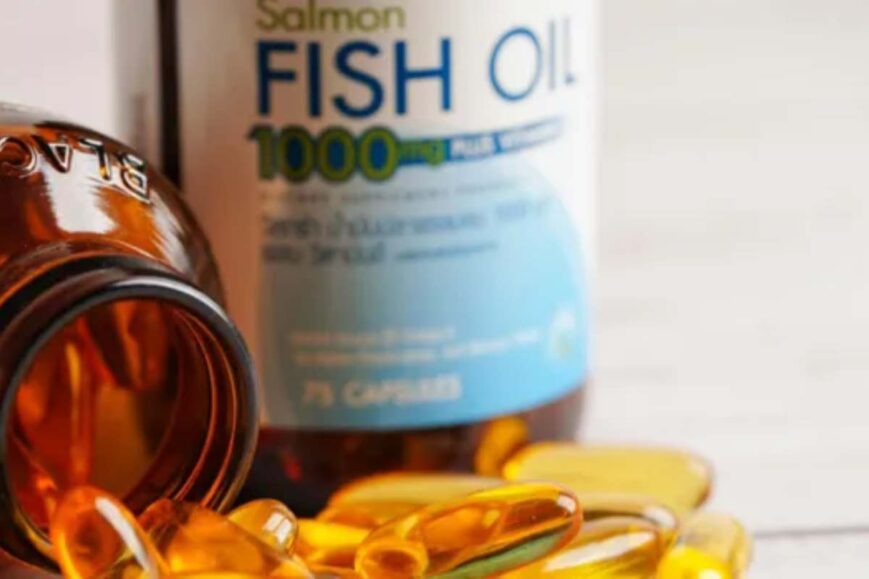
    Cod Liver Oil vs Fish Oil

    Fish and cod liver oil are not the same, but they will help raise your intake of omega-3 fatty acids in your body.

    Cod liver oil and fish oil are the two heterogeneous health supplements. They are of different sources of fish and their benefits are superior. As a rule, but not invariably, cod liver oil is a particular brand of fish oil.

    The health values of fish and cod liver oil include the fact that they are good sources of high amounts of omega-3 fatty acids. The omega-3 fatty acids have the capability to sustain most of the body organs and can aid in the prevention of most of these conditions. You should include omega-3 fatty acids in your diet because the human body cannot produce this.

    Alpha-linolenic acid (ALA) is present in some of the plant sources (nuts, seeds, and vegetable oil). It has not been proved useful, just like the fatty acids of fish oils.

    The best alternative to this is fish oil and cod liver oil supplements in case you are not taking two to three servings of (nonfried) fish each week. People exploring other nutritional supplements may also be interested in learning about Lion’s Mane mushroom capsules and their commonly discussed wellness uses.

    What are the sources of fish oil and cod liver oil?

    Cod Liver Oil Vs Fish Oil (1)

    The flesh of fatty fish is the Source of fish oil. These fatty fish are as follows.

    • Anchovies
    • Herring
    • Tuna
    • Salmon
    • Mackerel

    Most of the cod liver oil is obtained out of the livers of Atlantic and pacific codfish.

    The fish obtain the omega-3 fatty acids through the ingestion of phytoplankton, which absorbs microalgae ( A source of rich omega-3 fatty acids).

    What Is Fish Oil Good For?

    Fish oil is now a very widely used health supplement in India and is becoming popular amongst those who are interested in and seek to enhance heart health, joint suppleness as well as wellness. Fish oil is an oily extract that is mostly found in fatty fish, salmon, sardines, and mackerel and is very rich in omega-3 fatty acids that are essential in various body processes.

    In a nation typified by lifestyle illness, and stress and nutritional shortages such as India, fish oil is commonly recommended as a painless and effective supplement to be taken on a daily basis. However, just what is fish oil good at? Let’s break it down in detail.

    What Is Fish Oil?

    Fish oil is a natural oil which is extracted in oily fish tissues. This is mainly the reason why it is so popular, because it has two potent omega-3 fatty acids:

    EPA (Eicosapentaenoic Acid)

    DHA (Docosahexaenoic Acid)

    Human body fails to give these nutrients in the required quantities and thus they must be provided either through food or supplements. Though fish is also carried to some degree in Indian food, fish oil supplements have assumed wide applicability to various people, especially to vegetarians who lack omega-3s naturally.

    The benefits of fish oil to the heart.

    Heart health in India is one of the main reasons why people consume fish oil. The increased incidence of high cholesterol, blood pressure and heart disease has brought about much publicity on omega-3 fatty acids.

    Fish oil may help:

    • Reduce triglyceride levels
    • Enhance healthy cholesterol (HDL).
    • Encourage the healthy circulation.
    • Reduce the chance of getting palpitations.

    Physicians even recommend fish oil like some supplements to individuals whose family experience heart disease or those not engaged in physical activities.

    Is Fish Oil Good for Brain Function?

    Yes, fish oil is very useful in the conditions of the brain. One of the primary building fats in the brain is DHA which is one of the key components of fish oil. People interested in broader nutrition and dietary approaches may also explore Amura diet recipes for ideas on meal planning.

    Regular intake may:

    • Improve memory and focus
    • Support learning and cognitive performance
    • Help reduce mental fatigue
    • Support emotional well-being

    For students, working professionals, and older adults in India, fish oil can be helpful in maintaining mental sharpness and concentration.

    Fish Oil for Joint Pain and Inflammation

    Joint pain and stiffness are common problems in India, especially among older adults and people with physically demanding jobs. Fish oil is known for its anti-inflammatory properties.

    It may help:

    • Reduce joint stiffness
    • Ease the symptoms of arthritis
    • Improve mobility and flexibility
    • Support faster recovery after exercise

    Many people who take fish oil regularly report less morning stiffness and improved comfort during movement.

    Benefits of Fish Oil for Eyes

    Fish oil is also good for eye health, mainly because of DHA. With increased screen time due to mobile phones, laptops, and remote work, eye strain has become common.

    Fish oil may:

    • Help reduce dry eye symptoms
    • Support retina health
    • Improve overall eye lubrication
    • Lower the risk of age-related eye problems

    This makes fish oil particularly useful for office workers and students in India.

    Fish Oil for Skin and Hair Health

    Another popular reason people take fish oil is for skin and hair benefits. Omega-3 fatty acids help maintain the skin’s natural oil barrier. A balanced diet is important for skin health, and some people also explore dietary approaches such as the yogurt diet when learning about food and wellness.

    Fish oil can:

    • Improve skin hydration
    • Lessen thirst and water drought.
    • Support a healthy scalp
    • Strengthen hair follicles

    A typical fish oil supplement is used by persons who are struggling with dry skin, acne, inflammation, or hair thinning.

    Good or Bad in Pregnancy? Fish Oil.

    During the course of pregnancy, fish oil is normally prescribed, although it should be under medical supervision. DHA is important in the brain and eye development of fetuses.

    Potential benefits include:

    • Supporting the baby’s brain growth
    • Enhancing the birth weight outcomes.
    • Minimizing the chances of preterm delivery.

    Indian pregnant women are advised to never take fish oil without consulting a doctor, as the dosage and purity of the fish oil cannot be too high.

    Fish Oil and Immunity

    It requires a great immune system, which is very important in shifting climates and pollution. Fish oil helps to maintain immunity by decreasing chronic inflammation and enhancing the response of the cell.

    Regular intake may:

    • Help the body fight infections
    • Support faster recovery
    • Improve overall resistance to illness

    The Question of The Right Amount of Fish Oil to Take.

    Most health professionals in India suggest that daily, EPA and DHA combined should give 250500 mg of each. One can take higher doses as a prescription except where it applies to certain problems, one should only take medication after consulting a health practitioner.

    Always check:

    • EPA + DHA content on the label
    • Purity and quality certification
    • Whether the product is mercury-free

    Words & Terms Related to Fish Oil (Table Format)

    Term Meaning / Use
    Fish Oil Oil extracted from fatty fish
    Omega-3 Essential fatty acids
    EPA Supports heart and joint health
    DHA Important for brain and eyes
    Triglycerides Type of blood fat
    Anti-inflammatory Reduces swelling and pain
    Softgel Capsule form of fish oil
    Cholesterol Fat found in the blood
    Joint Stiffness Reduced joint movement
    Brain Health Cognitive and memory support

    What remain the health benefits of cod liver oil?

    Cod liver oil comprises high levels of vitamins A and D and EPA and DHA. Numerous health benefits of cod liver oil remain due to its powerful anti-inflammatory properties.

    Cod liver oil may help:

    • Lower inflammation all over the body
    • Ease management of arthritis pain.
    • Decrease black and brown heart disease.
    • Stimulate good fetal brain activity and visualization.
    • Maintain bone density
    • Promote a proper immune system.
    • Reduce the risks of type 1 diabetes when used in pregnancy and in newborns
    • Lower triglycerides in the blood
    • Prevent upper respiratory illness
    • Lower blood pressure
    • Slightly increase HDL, the “good cholesterol.”
    • Prevent plaque build-up in arteries

    Cod liver oil used to be a prevalent supplement given to children in the United States, mainly to prevent rickets, until the practice raised concerns about potential vitamin toxicity.

    What are the aids of fish oil?

    Thirty percent of fish oil remains pure omega-3 fatty acids. Fish oil is beneficial in areas of:

    • Heart health
    • Mental health
    • Inflammatory ailments
    • Pregnancy
    • Breastfeeding

    Fish oil may aid in the following:

    • Aids in the healthy development and function of the brain.
    • Stops mental health disorders for those at risk and lessens symptoms of schizophrenia and bipolar disorder.
    • Reduce waist circumference
    • Reduce inflammation and pain associated with rheumatoid arthritis.
    • Support skin health
    • Support pregnancy, fetal development, and breastfeeding
    • Support liver health

    What are the drawbacks of using fish and cod liver oil?

    People with heart and blood conditions should be cautious about taking fish or cod liver oil.

    Cod liver oil may cause:

    • Belching
    • Nosebleeds
    • Heartburn
    • Make blood thinner
    • Comprises unhealthy levels of vitamins A and D, even though this is still debated.
    • Avoid consuming cod liver oil if you’re pregnant.

    Fish oil may cause:

    • Nausea
    • Trouble with blood clotting or nosebleeds
    • Rash
    • Loose stool
    • Reduced vitamin E levels
    • Indigestion and fish-tasting burps
    • Interactions with contraceptive medicine, weight loss drugs comprising orlistat, and blood medicines

    What is the required amount of fish and cod liver oil you should consume?

    Fish and cod liver oil supplements remain available in liquid and capsule forms. Supplements usually comprise less mercury than fresh fish.

    • Calculate your fish and cod liver oil dosage per the amount of EPA, DHA, and vitamins in fish or cod liver oil. There’s no standard suggested dosage of EPA or DHA, so you can determine the correct dose by speaking with your doctor and reading supplement bottle labels, besides comparing the DHA and EPA levels to what you might get if you ate a whole fish.
    • It’s likely best to take only fish or cod liver oil, but not both. The two oils benefit from omega-3 fatty acids, but cod liver oil contains the added vitamins A and D. If you want those additional vitamins, you can consume just cod liver oil.
    • You can take fish oil to avoid those extra vitamins. You can similarly take fish oil besides vitamin A and D supplements if you require aid from those vitamins but don’t like to take cod liver oil.

    You are advised to combine cod liver or fish oil with fatty food to able you better absorb fatty omega-3 oils. Some people also consider other wellness products, such as Goli apple cider vinegar gummies or Health OK powder, but these products serve different purposes and should not be treated as substitutes for fish oil or cod liver oil.

    Final Thoughts

    So, what is fish oil good for? Simply, fish oil promotes heart health, brain, joints, eyes, skin, immune system and well-being. Fish oil can be a useful supplement to a well-balanced diet in India with nutritional deficiencies and lifestyle-related health problems being prevalent in the country.

    It should be borne in mind, though, that fish oil is a supplement, which should not be used to replace healthy food. Good quality products should always be taken and a doctor should be consulted in case of any underlying diseases. For more information on dietary wellness, you can also read about apple cider vinegar detox and its commonly claimed benefits, keeping in mind that the body naturally handles its own detoxification.


    Health Cares In
    Health Cares In
    I’m Mohammed Shakeer — Editor, Admin and Blogger of Healthcaresin. Since May 2024, I’ve been breaking down wellness into simple, actionable advice that fits into real life. Whether it’s nutrition hacks, workout tips, skincare routines, or mental health insights, I’m here to make healthy living less complicated and more achievable. Think of this as your go-to spot for honest, research-backed health info without the overwhelm. When I’m not researching the latest wellness trends, I’m probably testing out a new fitness routine or exploring natural remedies. Got questions or just want to chat about health? Reach me at editorial@healthcaresin.com — I’d love to hear from you!

  • www.healthsciencesforum.com

    www.healthsciencesforum.com –  is a website that shares the latest news and information about health and medicine. It’s designed for healthcare workers, students, and anyone curious about staying healthy. The goal is to help you learn about new medical discoveries, research, and health tips in a way that’s easy to understand.

    Why It Matters

    Stay Updated: Learn about the newest health discoveries.

    Trustworthy Information: All content is checked by experts to make sure it’s accurate.

    For Everyone: Whether you’re a student, a healthcare worker, or just interested in health, this site has something for you.

    What Makes the Health Sciences Forum Special?

    This website stands out because it’s easy to use and full of reliable information. Here’s why it’s different:

    Readers who want to explore different healthcare resources can also learn about the
    CVS Health Survey website,
    which provides information related to the CVS Health survey platform.

    Easy to Use

    The website is simple to navigate, so you can quickly find what you’re looking for.

    It’s designed to be user-friendly, making it fun to explore health topics.

    Expert-Checked Content

    All the information is researched and verified by professionals, so you can trust what you read.

    The site is updated regularly with the latest health news and research.

    Community Connection

    You can connect with others who care about health, share ideas, and even talk to experts.

    It’s a place where you feel part of a group learning about health together.

    www.healthsciencesforum.com (1)

    What Can You Learn About?

    The Health Sciences Forum covers many health topics to help you stay informed and healthy. Here are some key areas:

    Medical Research and Breakthroughs

    Discover new treatments and technologies, like personalized medicine, where doctors create treatments just for you.

    Learn about the latest science that’s helping people live healthier lives.

    Staying Healthy (Preventive Healthcare)

    Find tips on eating well, exercising, and preventing illnesses.

    Get advice on how to make healthy choices every day.

    Managing Chronic Diseases

    Learn how to handle long-term health conditions like:

    Diabetes: Tips on diet and lifestyle to manage blood sugar.

    Heart Health: Ways to keep your heart strong and healthy.

    Mental Health: Advice on staying mentally strong and dealing with stress.

    Cool Features of the Website

    Learning at Your Own Pace

    The site offers classes and resources you can explore whenever you want.

    You can learn in small, easy-to-understand sections at your own speed.

    Earn Certificates

    For additional health and medical reading, the
    Respitemagazine website
    is another resource to explore for respiratory health-related topics.

    Some courses let you earn certificates to show what you’ve learned.

    These can help if you want to work in healthcare one day.

    Those interested in wellness and natural approaches to health can also explore
    GreenHeal.net
    for further information about health and wellness resources.

    Always Up to Date

    The website adds new information regularly, so you’re always learning about the latest health discoveries.

    Why Choose the Health Sciences Forum?

    Unlike other health websites that might have lots of information but aren’t always trustworthy, this forum focuses on:

    Quality: Only sharing accurate, expert-checked information.

    Readers looking for health information in Vietnamese can visit
    Suc Khoe Cho Moi Nha
    to explore additional health-related content.

    Community: Letting you connect with others who care about health.

    Education: Offering fun ways to learn about health and science.

    For more information about pharmacy-related resources and healthcare essentials, readers can also visit
    Baohiem24h.net and its online pharmacy and health essentials guide.

    Ends

    The Health Sciences Forum is a great place for anyone who wants to learn about health in a simple, reliable, and fun way. Whether you’re curious about new medical discoveries, want tips to stay healthy, or hope to connect with others, this website has it all. Check out www.healthsciencesforum.com to start exploring!

    Health Cares In
    Health Cares In
    I’m Mohammed Shakeer — Editor, Admin and Blogger of Healthcaresin. Since May 2024, I’ve been breaking down wellness into simple, actionable advice that fits into real life. Whether it’s nutrition hacks, workout tips, skincare routines, or mental health insights, I’m here to make healthy living less complicated and more achievable. Think of this as your go-to spot for honest, research-backed health info without the overwhelm. When I’m not researching the latest wellness trends, I’m probably testing out a new fitness routine or exploring natural remedies. Got questions or just want to chat about health? Reach me at editorial@healthcaresin.com — I’d love to hear from you!

  • Prednisone and Tylenol

    Prednisone and Tylenol Overview –  are the two different prescribed medications to manage various health conditions.  Tylenol is widely administered as a remedy to treat fever and pain.  On the contrary, prednisone is a prescription medication that suppresses the inflammation, swelling, and both irritation, and its use is commonly discussed in the treatment of such diseases as COPD and asthma.

    The two drugs do not interact with each other; nevertheless, you are not supposed to take the two drugs without consulting your health provider.

    Other potential interactions between drugs should also be known to you. Continue reading to know about these medicines, including when to take Tylenol with prednisone and the precautions that you need to take.

    Uses of Tylenol and Prednisone

    Prednisone and Tylenol (1)

    When taking medicines such as prednisone and Tylenol, it is also important to understand other medications you may be using. For example, cholecalciferol tablets 60000 IU are commonly used to help manage vitamin D deficiency.

    According to some sources, Tylenol is one of the most famous medications used in the United States. 1 in 5 adults in the U.S. takes a medication comprising the active ingredient acetaminophen in any given week.

    Meanwhile, prednisone is only obtainable by prescription. It comes under the class of medications known as corticosteroids, a drug that can decrease inflammation in the body.

    Uses of Tylenol

    Acetaminophen works by hindering chemicals in your brain that carry pain signals. Tylenol and other kinds of acetaminophen are usually used to reduce fevers and pain triggered by conditions such as:

    • Muscle aches
    • Sore throat
    • Headache
    • Toothache
    • Menstrual cramps
    • Arthritis

    Uses of Prednisone

    Prednisone is only obtainable by prescription. It treats various conditions by reducing inflammation and suppressing the immune system activity. Some of the common conditions doctors recommend prednisone for include:

    • Some skin diseases
    • Allergies
    • Autoimmune disorders such as rheumatoid arthritis
    • Blood disorders
    • Infections
    • Preventing organ rejection after a transplant
    • Some cancers

    What are the worst side effects of prednisone? (in India)

    Prednisone is an effective oral corticosteroid that is effective in reducing inflammation fast hence asthma, autoimmune diseases, severe allergies and some skin issues. Although it is life-saving, prednisone has a list of side effects, some of which are short-term, reversible, others of which are severe and permanent. Some of the prednisone risks are worth being paid additional attention in India, where prevalence of such an infectious disease as tuberculosis is high, where prevalence of diabetes is high, etc. Below I list the most shameful side effects, why they are important in the Indian context and steps to be taken in practice as you or a doctor should do.

    1. Improved infection risk – encompassing TB reactivation.

    Prednisone downregulates the immune system. That will reduce your fighting infection levels and may trigger the latent TB (TB) or risks treating the new TB infection which is especially high in a country with a high TB burden like India. Research and Indian authorities are cautious that systemic corticosteroids increase the risk of reactivating TB, especially with an increase in dosage or as a prolonged therapy. In India, clinicians tend to assess the risks of TB and monitor the symptoms before commencing long courses.

    Cholecalciferol is also available in capsule form. You can learn more about cholecalciferol capsules USP 60000 IU, including their uses and precautions.

    2. Excessive blood sugar and diabetes caused by steroids.

    Corticosteroids make the liver produce more glucose and rendered the body insulin-resistant. It may trigger a case of steroid-induced diabetes or significantly increase the severity of preexisting diabetes: a significant issue in India where the cases of diabetes are in the lead. Within a few days of taking prednisone, blood glucose may increase; it may need to be carefully monitored with changes in diet or treatment of diabetes (with insulin) begun early.

    3. Fractures (corticosteroid-induced osteoporosis) Bone loss.

    The prolonged use of prednisone decreases bone formation and causes bone to break faster, leading to a rapid bone loss and risks of fracture. It may occur even in the case of moderate doses when used during months or years. The risk is increased in the elderly and post-menopausal women (and in any case with low calcium/vitamin D), the bone protection (calcium, vitamin D, exercise, and occasionally bisphosphonates is frequently advised with long courses.

    If you are taking medicines for allergy symptoms, it may also be helpful to understand pheniramine maleate tablet uses and how this antihistamine is commonly used.

    4. Psychiatric and cognitive effects

    Prednisone may lead to mood changes, insomnia, anxiety, mania, and depression, confusion, and, in uncommon instances, honest psychosis. Acute mood swing (euphoria or irritability) can be experienced at the early stage; depressive syndromes are experienced with chronic use. This can be extreme and can involve psychiatric management or a change in the dose. Families are advised to monitor changes in behaviour suddenly and report them.

    5. Heart issues and fluid/electrolyte imbalance.

    Prednisone does affect fluid retention, high blood pressure, and potassium and sodium levels – these may exacerbate the heart failure or develop arrhythmias in those who are prone. Prolonged use of steroids is also causing weight gain, central fat distribution, and augmented cardiovascular risk factors as well. Periodical blood-pressure measurement and electrolytes testing are recommended.

    Quick reference — table of worst effects (short words/phrases)

    Prednisone belongs to the corticosteroid group, and another corticosteroid medicine is prednisolone. For more information, see this guide to prednisolone dispersible tablets 10 mg.

    Side effect One-line note
    TB reactivation High risk in TB-endemic areas; screen first.
    High blood sugar Can cause new or worse diabetes.
    Osteoporosis Bone loss → fractures with long use.
    Mood/psychosis Severe mood swings, insomnia, depression.
    Hypertension/edema Fluid retention raises BP.
    Adrenal suppression Must taper; stopping suddenly is dangerous.
    Cataracts/glaucoma Eye checks if long term.
    Infection risk Higher chance of bacterial/fungal infections.

    Other products containing corticosteroid medicines may also have different uses and precautions. You can read more about Prednicort to understand its uses and important safety information.

    Practical advice for people in India

    • TB Risk: If you have stayed or have been to the place where TB is very high, inform your doctor who will then screen you (latent TB history of test, chest X-rays) and then prescribe courses of steroids.
    • Assess blood level: Have baseline and regular glucose levels when taking prednisone, particularly when you have symptoms and signs of diabetes.
    • Vardi et al (2005, p. 18) recommend that when using long-term therapy, bone density testing, calcium and vitamin D consumption, and weight-bearing physical activity should be considered to protect the bones. Talk about bisphosphonate treatment in high-risk.
    • Report mental changes: In case there are acute mood swings, heightened hallucinations, gross insomnia, or suicidal thoughts in you or a loved one, then turn to medical assistance immediately.
    • Do not pause: It must not be discontinued abruptly without a taper leaving schedule drawn up by your prescriber.

     Prednisone and Tylenol: Is it safe to combine?

    Prednisone is also safe to take together with Tylenol because they are not known to interact or not. However, use it as prescribed by your physician or as it is shown on the package.

    It is only better to take one new drug at a time to feel the response of one drug first before taking a different one. It is also advisable to see your medical practitioner whenever you mix drugs. The two drugs can interact with other drugs in spite of the fact that they are not associated with each other when used concomitantly.

    If you are also using cold or allergy medicines, check the directions carefully. For example, this guide explains how many times a day Neozep tablet can be taken and provides information about its use.

    Side effects of Tylenol

    Below are some of the side effects of Tylenol.

    • Itchiness
    • Blisters
    • Hives
    • Trouble breathing and swallowing
    • Swelling of your face, throat, tongue, or lips

    Overdose of Tylenol can cause liver damage and is responsible for an estimated 500 deaths in the U.S., as per some reliable sources. However, liver damage remains rare if you follow the suggested dose.

    Signs of liver damage can include:

    • Nausea
    • Brown urine
    • Pale stools
    • Pale skin
    • Fatigue
    • Jaundice (yellow eye whites and skin)
    • Loss of appetite
    • Pain in your upper right abdomen
    • Sweating
    • Unusual bruising or bleeding
    • Vomiting

    Side effects of prednisone

    Overdose of prednisone causes the following side effects.

    • restlessness
    • weight gain
    • sweating more than usual
    • digestive problems
    • insomnia
    • Rare common side effects include:
    • high blood pressure
    • cataracts
    • high blood sugar
    • increased appetite
    • osteoporosis
    • increased risk of infection
    • weak skin
    • poor wound healing
    • suppression of adrenal hormones
    • swelling

    You may develop severe allergic reactions in some rare cases. If you experience this, consult your doctor immediately.

    Conclusion

    Prednisone should not interact with Tylenol; furthermore, the two are generally safe. Both medicines, however, can react with various types of drugs.

    Take not out of the recommended doses to be taken by either drug. Do not take Tylenol or prednisone with other medications or supplements without consulting your physician.

    Health Cares In
    Health Cares In
    I’m Mohammed Shakeer — Editor, Admin and Blogger of Healthcaresin. Since May 2024, I’ve been breaking down wellness into simple, actionable advice that fits into real life. Whether it’s nutrition hacks, workout tips, skincare routines, or mental health insights, I’m here to make healthy living less complicated and more achievable. Think of this as your go-to spot for honest, research-backed health info without the overwhelm. When I’m not researching the latest wellness trends, I’m probably testing out a new fitness routine or exploring natural remedies. Got questions or just want to chat about health? Reach me at editorial@healthcaresin.com — I’d love to hear from you!

  • Apple Cider Vinegar Detox

    Apple Cider Vinegar Detox

    Apple cider vinegar is an amazing detox drink that has numerous health benefits. Although our body can detoxify itself certain people include apple cider vinegar to detoxify their body. Let’s know about apple cider vinegar in detail.

    Apple Cider Vinegar Detox (1)

    Apple cider vinegar has several health benefits. It is not only used for dressing salads but is also used to detoxify the body which helps for weight loss. But most people around the world use apple cider vinegar in numerous other medicinal ways.

    The concept of detox is that the raw and unfiltered apple cider vinegar still retains the mother in it. The gut has good bacteria within the mother, vitamins, minerals and enzymes. It is common to see clouds of apple cider vinegar with the mother in it.

    Before you go on this detox, what you need to know.

    Apple cider vinegar is to be diluted with water before you begin taking it. The raw state of apple cider vinegar is acidic. It can degenerate the tooth enamely or it can even burn your mouth and throat.

    Should you, however, opt to do the detox, it is important to clean your mouth using water after taking the vinegar. You might even choose to have it with a drink. Only a single glass can have a bad influence on your teeth.

    Along with these, one can experience interactions with various drugs or supplements when taking apple cider vinegar. Specifically, it can also be a cause of low potassium in case you take insulin and/or diuretics.

    Provided that you take some diuretic medication or insulin, consult your doctor prior to starting taking apple cider vinegar on a regular basis or attempt the detox.

    How to make an apple cider vinegar detox?

    Your makers of Irish whiskey advise you to follow these steps to make an apple cider vinegar detox.

    • Consume 1-2-tablespoons of unfiltered and uncooked apple cider vinegar.
    • 8 oz purified or distilled water.
    • 1-2 tablespoons sweetener (organic honey, maple syrup, or 4 drops of Stevia)

    There are many variations of this basic drink. Some include adding lemon juice. Others add a dash of cayenne pepper. With this detox, you consume this type of drink regularly for a set period — several days to a month or more. Most people prefer to drink it.

    Health benefits of an apple cider vinegar detox

    There isn’t much scientific research that supports the argument that apple cider vinegar can detoxify your body or remove toxins from the body as our body has the capability of detoxifying itself.

    Many people use a detox diet to begin changing their diet, removing processed foods, and introducing healthier, whole foods. For example, some people explore structured meal plans such as Amura diet recipes or approaches like the yogurt diet when looking for ways to make changes to their everyday eating habits.

    The supposed benefits you may gain from an apple cider vinegar detox are both internal and external. They include:

    • Providing enzymes to the body.
    • increasing potassium intake
    • Aiding for a healthy immune system
    • Assisting in controlling weight
    • Encouraging pH balance in the body
    • aiding with healthy digestion
    • Adding good bacteria for the gut and immune function
    • Assisting in removing “sludge toxins” from the body
    • Soothing skin and helping keep it healthy
    • Curing acne when used externally

    You may hear that apple cider vinegar helps reduce appetite and even burn fat. There’s also evidence to say that adding apple cider vinegar to your daily routine may help with type 2 diabetes and high cholesterol.

    How to Drink Apple Cider Vinegar in India (Complete Practical Guide)

    There has been a becoming-hushpuppy integration of Apple cider vinegar (ACV) as an element of Indian wellness. Granted that the weight management issue has been solved, helped with digestion, people in and around India are testing it but the way you take apple cider vinegar is not a simple issue. When it is not used properly, it can only contribute to more harm than good. Properly used, it can easily fit into an Indian way of life and meal.

    This is a guide on the way to drink apple cider vinegar in India, the time to consume it, the amount, how to drink it, and the common errors to avoid, without being hyped to do so; it is just practical.

    What is the Apple Cider Vinegar and why do Indians use it?

    Apple cider vinegar is made from fermented apple juice. The process of spontaneous fermentation yields acetic acid, enzymes, and useful products.

    . In India, ACV is commonly used for:

    • Supporting digestion after heavy meals
    • Weight management with diet control
    • Helping regulate blood sugar levels
    • Enhances the condition of skin and hair indirectly.

    Since Indian cuisine is usually spicy, oily, or rich in carbohydrates, people tend to consider ACV as an equalizer, and not a miracle drug.

    The Easiest Way to consume Apple Cider Vinegar without any harm.

    Never drink apple cider vinegar directly.

    Pure ACV is highly acidic and can:

    • Damage to tooth enamel
    • Burn the throat
    • Irritate the stomach lining

    Correct Basic Method

    • Take 1 teaspoon (5 ml) of apple cider vinegar
    • Mix it in 1 full glass (200–250 ml) of water
    • Drink slowly

    Once your body adjusts (after 7–10 days), you can increase to 1 tablespoon (15 ml) if needed—but never more.

    Best Time to Drink Apple Cider Vinegar in India

    Morning (Most Popular)

    Drinking ACV in the morning works well for many Indians.

    How to take it:

    • Empty stomach
    • 20–30 minutes before breakfast
    • Mixed with warm or normal water

    Why it helps:

    • Supports digestion for the day
    • May help control appetite
    • Works well with Indian breakfast habits

    Before Meals

    • Drink 10–15 minutes before lunch or dinner
    • Useful if you eat heavy or oily food

    Avoid at Night

    Drinking ACV before bed may:

    • Trigger acidity
    • Causes throat irritation while lying down

    How Indians Can Mix Apple Cider Vinegar (Best Combinations)

    Plain water works, but Indian tastes often prefer flavor and balance.

    Apple Cider Vinegar with Honey

    Best for beginners.

    • 1 teaspoon ACV
    • 1 glass warm water
    • 1 teaspoon raw honey

    Benefits:

    • Reduces harsh taste
    • Gentle on the stomach
    • Popular in Indian homes

    Apple Cider Vinegar with Lemon

    • 1 teaspoon ACV
    • Warm water
    • A few drops of lemon juice
    • Very good digestive, idlis, in summer.
    • Cinnamon Apple Cider Vinegar Hydra IQ.
    • A pinch of cinnamon powder should be added.

    It will keep the blood sugar normal, and include some warmth in the winter.

    What is the Recommended Daily Dose of apple cider vinegar?

    Experience Level Daily Amount Notes
    Beginner 1 teaspoon Start slow
    Regular user 1 tablespoon Split into 2 doses
    Maximum limit 2 tablespoons Do not exceed

    Never exceed 2 tablespoons per day, even if social media suggests more.

    Using Apple Cider Vinegar for Weight Management (Indian Context)

    ACV alone will not cause weight loss. In India, results depend on:

    • Home-cooked food
    • Portion control
    • Reduced sugar intake
    • Regular walking or yoga

    For people exploring other wellness products, it is also worth understanding the differences between supplements, such as cod liver oil vs fish oil, rather than assuming that any single product can replace balanced eating habits.

    How to Use It

    • Drink once in the morning
    • Combine with dal, sabzi, and roti-based meals
    • Avoid fried snacks and sugary drinks

    Think of ACV as a supporting habit, not a shortcut.

    Can Apple Cider Vinegar Help with Acidity?

    This sounds confusing because ACV is acidic—but diluted properly, it may help some people.

    Works if the acidity is due to low stomach acid.
    Avoid if you already have ulcers or severe acid reflux.

    Start with a very small amount and observe your body.

    Who Should Avoid Apple Cider Vinegar?

    You should be careful or avoid ACV if you:

    • Have stomach ulcers
    • Have severe acid reflux
    • Are pregnant
    • Have low potassium levels
    • Take diabetes or blood pressure medication

    Always consult a doctor if unsure.

    Common Mistakes Indians Make While Drinking ACV

    • Drinking it undiluted
    • Using plastic bottles for storage
    • Taking it multiple times a day without breaks
    • Expecting instant results
    • Using low-quality or synthetic vinegar

    Choose raw, unfiltered, organic ACV with “the mother.”

    Helpful Words & Phrases Related to Apple Cider Vinegar

    Term Meaning
    The Mother Natural enzymes and bacteria
    Raw ACV Unprocessed vinegar
    Dilution Mixing with water
    Acetic Acid Main active compound
    Detox Myth ACV supports digestion, not detox
    Empty Stomach Before eating
    pH Balance Acid-alkaline balance

    Final Thoughts

    Overall, Apple cider vinegar could be an important everyday practice in India, as long as it is used reasonably. The trick is in dilution, time, moderation and adherence to a healthy Indian diet. It is not magic; however, together with conscious eating and movement, it may help digestion and the state of the whole organism.

    People interested in other nutrition and wellness topics can also explore Lion’s Mane mushroom capsules and learn about products such as Goli apple cider vinegar gummies and Health OK powder. These products are not substitutes for a balanced diet or medical advice, and their ingredients and suitability should be checked before use.

    Health Cares In
    Health Cares In
    I’m Mohammed Shakeer — Editor, Admin and Blogger of Healthcaresin. Since May 2024, I’ve been breaking down wellness into simple, actionable advice that fits into real life. Whether it’s nutrition hacks, workout tips, skincare routines, or mental health insights, I’m here to make healthy living less complicated and more achievable. Think of this as your go-to spot for honest, research-backed health info without the overwhelm. When I’m not researching the latest wellness trends, I’m probably testing out a new fitness routine or exploring natural remedies. Got questions or just want to chat about health? Reach me at editorial@healthcaresin.com — I’d love to hear from you!

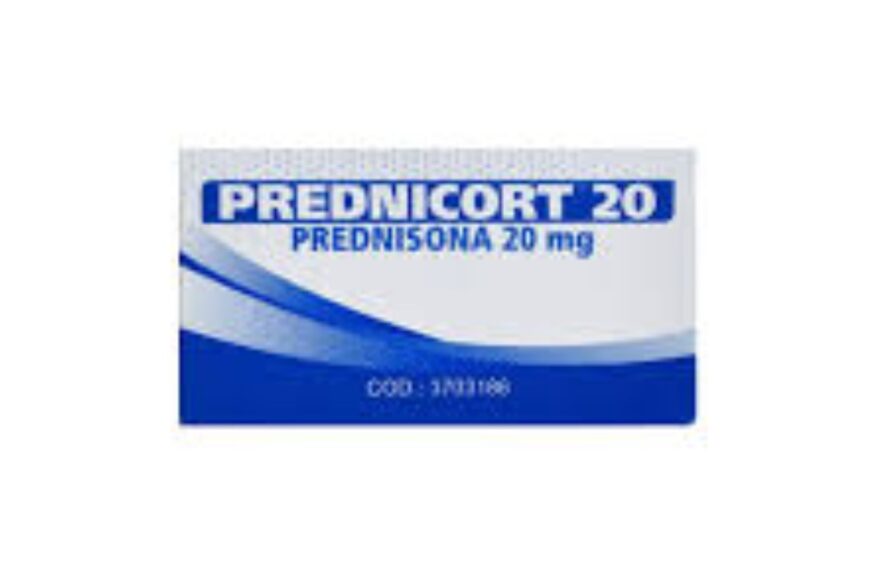
  • Prednicort

    Prednicort – Have you ever gotten up and thought your body parts were in full-scale revolt? Or perhaps you have skin breakouts that refuse to clear despite the 101 creams that you are applying? I read–that tiresome worry of never having a doctor, drug action side-effects, and worry about oneself whether nothing will work at all. Since I have been conversing with friends who have the same grind as I do, I can empathize with the frustration. This is why now I am taking prednisone, which is a corticosteroid medication, and has helped hundreds of thousands of people to deal with the inflammation without endlessly trying and failing to discover the effectiveness of some medications.

    What Exactly Is Prednicort and Why Should You Care?

    The immune system of the body is your overprotective guard-dog, which, in case of an inflammation, barks at anything, even at itself—so, at first, Pictureffic comes in like the chill pill that is Prednicort, a synthetic glucocorticoid tablet (usually 5mg dosage). It is just an artificial form of cortisol, a hormone that is produced by the adrenal glands as a response to stress and swelling.

    Prednicort is a corticosteroid medicine used to reduce inflammation and control certain allergic and autoimmune conditions. Because corticosteroids may affect bone health when used for a long time, doctors may also pay attention to calcium and vitamin D levels. For more information, you can read about Cholecalciferol Tablets 60000 IU uses.

    I recall a friend of mine, Jake, who was taking a kind of pop-up medication to cure his rheumatoid arthritis to no avail. In less than a month, one visit to the doctor confirmed that he began taking prednisone, and the morning stiffness was relieved. There will be no more shuffling to the kitchen as a zombie. But now has the word of the truth: It is not a panacea. It is only used in acute bursts to take out acute problems, works in the case of severe allergies, as well as rheumatic disorders. And in case you wonder about sounding against steroids such as these, consider our review of how you can anti-inflammatory drugs work holistically..

    Vitamin D may also be prescribed in capsule form when supplementation is needed. Learn more about Cholecalciferol Capsules USP 60000 IU and how this form of vitamin D is commonly used.

    Key point? Always loop in your doctor—self-medicating with corticosteroids can mess with your hormones big time.

    When Prednicort Steps Up to the Plate

    Let’s get into the meat of it. Prednicort shines in scenarios where inflammation is the villain. Docs hand it out for:

    • Allergic reaction and conditions: Statement Think of hives that appear suddenly or hay fever that destroy your summer. It inhibits release of histamine and this gives your body a rest.
    • Asthma attacks: When the inhalers are no longer effective, a quick treatment course can open airways in a flash.
    • Rheumatic diseases: As in Jake’s case of arthritis, it lessens the swelling and pain of joints, thus making life less tedious with day-to-day movements.
    • Skin problems: Eczema/ psoriasis, etc.? There are topical forms; oral prednisone addresses general problems.
    • Eye problems: Uveitis or conjunctivitis with severe swelling- tablets together with eye drops may be a complete treatment.
    • Nephrotic syndrome: Helps curb stress in the immune system and loss of protein in the kidneys.

    And don’t forget its role in autoimmune battles, like lupus flares. Semantically, if you’re searching for corticosteroid treatments or glucocorticoid therapy, this fits right in. It’s not flashy, but it gets the job done when your body’s LSIs—like cytokine storms or edema—need reining in.

    Prednicort contains a corticosteroid related to prednisolone. If you want to understand another formulation of the same medicine, you can also read about Prednisolone Dispersible Tablets 10 mg.

    Pro tip: Doses vary wildly based on your condition. Kids might get tapered amounts to avoid growth hiccups, while adults handle higher bursts for quick relief.

    Prednicort Obat Apa? Complete Guide for Indian Users

    Numerous individuals go online and type queries such as prednicort obat apa, meaning, what is prednicort, and what kind of medicine is prednicort. A typical corticosteroid medication is prednicort; it is normally used in India to alleviate inflammation, allergies, autoimmune diseases, and many other health problems. Having an effect on the immune system and the hormones, it is only natural to learn how it functions, when to take it, and how to safely use it.

    This paper discusses Prednicort using easy-to-understand and simple English, particularly to Indian patients and caregivers.

    What Is Prednicort?

    Prednisolone is a synthetic corticosteroid that is sold under the brand name of prednicort. Corticosteroids are drugs that silently replicate natural hormones that are secreted by the adrenal glands.

    The doctors in India prescribe Prednicort to:

    • Reduce inflammation
    • Control allergic reactions
    • Inhibit the hyperirritable immune system.

    Prednicort neither heals any disease permanently, but serves as an aid to treating the symptoms, and prevents complications under proper use.

    Prednicort Obat Apa – How Does It Work?

    When people ask “prednicort obat apa”, they usually want to know what it actually does inside the body.

    Prednicort works by:

    • Blocking chemicals that cause swelling, redness, and pain

    • Reducing immune system overreaction

    • Lowering inflammation in tissues, joints, lungs, skin, and intestines

    Because of this effect, it is widely used in conditions where the immune system causes harm instead of protection.

    Common Uses of Prednicort in India

    Prednicort is prescribed for many health conditions in Indian hospitals and clinics.

    Inflammatory Conditions

    • Arthritis (rheumatoid arthritis)

    • Joint pain and swelling

    • Inflammatory bowel disease

    Allergic Disorders

    • Severe skin allergies

    • Asthma attacks

    • Allergic rhinitis (when severe)

    Autoimmune Diseases

    • Lupus

    • Multiple sclerosis (short-term use)

    • Autoimmune skin disorders

    Respiratory Problems

    • Asthma

    • Chronic obstructive pulmonary disease (COPD)

    • Severe lung inflammation

    Other Medical Uses

    • Eye inflammation

    • Kidney disorders (like nephrotic syndrome)

    • Certain blood disorders

    How to Take Prednicort Safely

    To use Prednicort correctly:

    • Take it after food to reduce stomach irritation

    • Follow the exact dose and schedule

    • Take it at the same time each day

    • Do not skip doses unless advised by a doctor

    For long-term use, doctors usually reduce the dose slowly instead of stopping suddenly.

    Side Effects of Prednicort

    Like all corticosteroids, Prednicort can cause side effects, especially if used for a long time.

    Common Side Effects

    • Increased appetite

    • Weight gain

    • Mood changes

    • Acidity or stomach pain

    • Difficulty sleeping

    Serious Side Effects (Long-Term Use)

    • High blood pressure

    • High blood sugar (risk for diabetes)

    • Weak bones (osteoporosis)

    • Increased risk of infections

    • Delayed wound healing

    Always inform your doctor if you notice unusual symptoms.

    Who Should Be Careful While Using Prednicort?

    Prednicort must be used carefully if you have:

    • Diabetes

    • High blood pressure

    • Tuberculosis (TB)

    • Stomach ulcers

    • Liver or kidney disease

    • Active infections

    Pregnant or breastfeeding women should take Prednicort only if clearly advised by a doctor.

    Drug Interactions to Know About

    Prednicort may interact with:

    • Painkillers (like ibuprofen)

    • Diabetes medicines

    • Blood thinners

    • Certain vaccines

    Tell your doctor about all medicines, supplements, or herbal products you are using.

    Prednisone and prednisolone are corticosteroid medicines that may be used for inflammation and immune-related conditions. If you are taking prednisone alongside medicines for pain or fever, see this overview of prednisone and Tylenol for general information about their use together.

    Is Prednicort Safe for Children?

    Yes, Prednicort is prescribed for children in India, especially for:

    • Severe allergies

    • Asthma

    • Autoimmune conditions

    However:

    • Dosage must be carefully calculated

    • Long-term use may affect growth

    • Regular medical follow-up is essential

    Never give Prednicort to a child without a doctor’s prescription.

    Table: Key Terms Related to “Prednicort Obat Apa”

    Term Meaning (Simple Explanation)
    Prednicort Brand name of prednisolone
    Prednisolone A corticosteroid medicine
    Corticosteroid A hormone-like drug that reduces inflammation
    Inflammation Swelling, redness, and pain
    Autoimmune disease A condition where the body attacks itself
    Immunosuppressant A drug that lowers the immune response
    Tapering dose Slowly reducing the medicine dose
    Side effects Unwanted effects of a medicine
    Prescription drug Medicine given only by a doctor

    Dosage and Timing: Getting It Right Without the Guesswork

    Alright, let’s chop this up. It is not rocket science to take prednisone, and we are all equal in what we can do to ourselves when we do not. It will get customized by your doc, but the summary is as follows:

    • Normalizing dose: 5-60mg a day, divided in case of necessity, with food to avoid stomach upsets.
    • In the case of acute: 3-5 days and then reduce High dose burst (such as 40mg)
    • Chronic treatment: Less maintenance, perhaps 5-10mg, though under close observation.
    • Subway compared point: Never quit cold turkey. That will provoke withdrawal– imagine tiredness, even sickness, and even more joint flares than usual.
    • Take as a whole with water, and equally every day, to produce constant amounts.
    • When you become a chronic user of it, you should scan your bone density, as osteoporosis is a lurking danger.
    • Interactions? Move on to grapefruit juice; it enhances absorption. And booze? Not your friend here.
    • Jake is committed to phone alarms. Made all the difference. To learn more about med routines, have a glance at daily health hacks, which are both busy.

    Side Effects: The Good, the Bad, and How to Handle Them

    No med’s a free lunch, right? Prednisone packs power, so side effects are real—but manageable. Short-term? Mostly mild. Long-term? Watch closer.

    Because Prednicort may also be prescribed for severe allergic conditions, it can be useful to understand other medicines commonly used for allergies. You can learn more about Pheniramine Maleate Tablet uses and its role as an antihistamine medicine.

    Common ones hit quickly:

    • Nausea or heartburn, upset stomach. Nausea, antacids help.
    • Mood swings: Dannertick, or what is that funny feeling? Breathing in, journaling, the favorite of Sarah.
    • Gain of weight: Cortisol mimicry, weight gain, or munchies. Track calories, stay active.
    • Insomnia: Have it in the mornings when the nights are bad.

    Rarer but serious:

    • Bone degeneration: Calcium and vitamin D supplements are what you need.
    • Risk of infection: The on low indicator in your immune system – avoid flares of people.
    • Hyperglycemia: Check glucose level in diabetic patients.
    • Skin notice: Thinning / easily bruised- soft skincare regimen.

    I once knew a guy who ignored the moon face (puffy cheeks) and pushed through; the doc switched him to a lower dose. Lesson? Chat symptoms early. If you’re eyeing alternatives, our rundown on low-risk anti-inflammatory options might spark ideas.

    Quick list for monitoring:

    • Weekly weigh-ins.
    • Blood pressure checks.
    • Eye exams for cataract risks.

    Neutral vibe: It’s trade-offs. Relief often outweighs hassles when used smartly.

    Precautions and Who Should Think Twice About Prednisone

    Straight up—prednisone isn’t for everyone. If you’ve got active infections (fungal, TB), peptic ulcers, or uncontrolled diabetes, pump the brakes. Pregnant? Limited data, but potential low birth weight risks mean the doc consults first. Breastfeeding? It passes into milk—discuss weaning or alternatives.

    Some combination cold and allergy medicines may also contain antihistamine ingredients. For additional information, see how many times a day Neozep Tablet can be taken.

    For kids and elders:

    • Growth stunting possible in young ones—short courses only.
    • Osteoporosis amps up in seniors—pair with bisphosphonates if needed.

    Vaccines? Live ones (measles, varicella) are no-gos while on it. And surgery? Taper or supplement stress doses.

    Story time: My aunt, post-hip replacement, needed a bump for inflammation but skipped it due to her glaucoma history. Switched to non-steroidals instead. Always disclose the full history. Dive deeper with pre-med checklists for safe starts.

    Conclusion

    Then there you have it prednisone demystified, be it in the taming of allergic reactions, or in the alleviating of rheumatic pains. It is a good weapon in the assay of inflammation, but use it foremonet with the green go-ahead of your doctor. When the pains in the joints or skin are cramping your style, then why not make that appointment?

    Health Cares In
    Health Cares In
    I’m Mohammed Shakeer — Editor, Admin and Blogger of Healthcaresin. Since May 2024, I’ve been breaking down wellness into simple, actionable advice that fits into real life. Whether it’s nutrition hacks, workout tips, skincare routines, or mental health insights, I’m here to make healthy living less complicated and more achievable. Think of this as your go-to spot for honest, research-backed health info without the overwhelm. When I’m not researching the latest wellness trends, I’m probably testing out a new fitness routine or exploring natural remedies. Got questions or just want to chat about health? Reach me at editorial@healthcaresin.com — I’d love to hear from you!

  • Tear Trough Filler

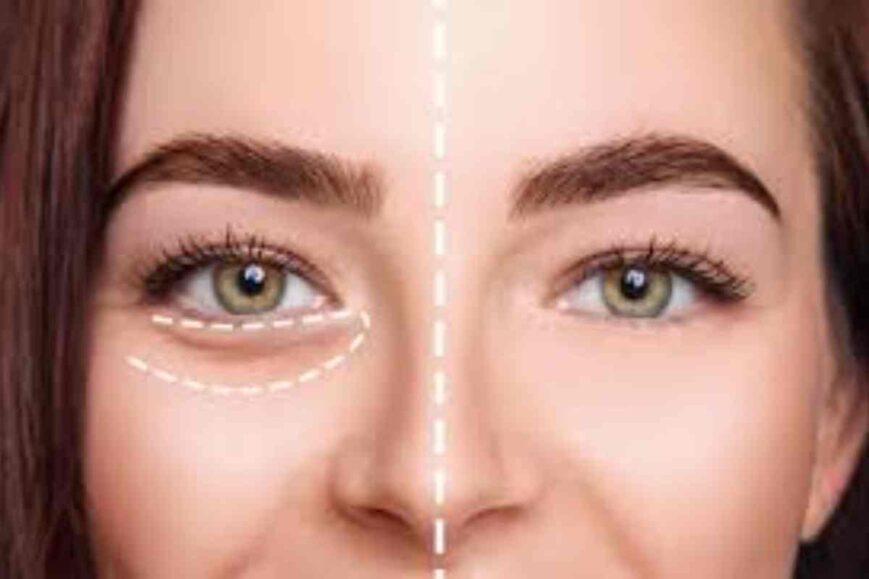
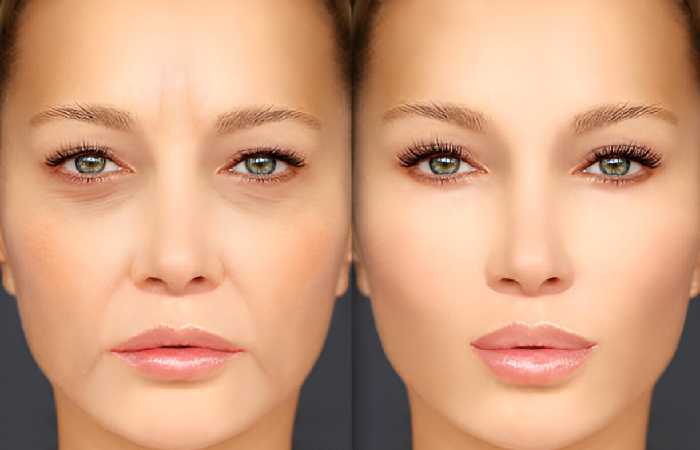
    Tear Trough Filler – Tear trough is a deep wrinkle between the lower eyelid and upper cheek. It can sometimes cast shadows below your eyes, resulting in a tired look. Some people think their tear troughs make them look older.

    In specific individuals, tear troughs are an inherited trait. In other cases, tear troughs become more prominent with age. That’s because facial tissues lose volume when you get older.

    Before choosing any cosmetic procedure, it is important to discuss your concerns with a qualified professional. If you are also dealing with pain-related concerns, you can learn more about Painflame Clinic.

    Minimalization of a tear trough is the main purpose of a tear trough. A competent physician may inject a skin filler in the region, and the skin appears to be plump and taut. It is a non-surgical procedure for rejuvenating the face.

    Explain briefly about the tear trough filler.

    Tear Trough Filler (1)

    A tear trough filler is an injectable procedure to add volume under the eyelids. The product most often used in this area is typically hyaluronic acid, while other ingredients may be used. Hyaluronic acid is a gel-like substance that certainly exists in your body. Hyaluronic acid increases fullness and decreases hollows when injected into the skin,

    Are tear trough fillers safe?

    It is relatively safe that tear trough fillers are. They also have less invasiveness as compared to invasive operations such as fat grafting and translocation.

    FDA-approved Juvederm Volbella filler is the sole brand to add plausibility to the deep under-eye region for individuals aged 22 years and above.

    For people considering non-surgical facial rejuvenation, options such as HIFU face treatment may also be worth discussing with a qualified practitioner.

    However, there is no use denying the fact that the process may be dangerous.

    The FDA has not given the go-ahead to the injection of dermal fillers using needle-free equipment, it is necessary to be well aware of the type of fillers you are having and that you are not going to an aesthetician or one of the med spa doctors.

    The tear trough fillers have short-term impacts. On average, they take one year. To achieve long-term outcomes, repeated treatments should be chosen.

    How much does the procedure cost?

    The total cost of tear-trough fillers depends on how many syringes you need. If your tear troughs are shallow, your surgeon can use one needle for both sides. If your tear troughs remain deep, you may require one needle for each side.

    Another popular facial-care option is Hydrafacial near me, especially for people looking to improve overall skin appearance and hydration.

    According to the American Society of Plastic Surgeons, hyaluronic acid costs $684 per syringe.

    As such, the process will cost between 684 and 1500. The amount you could spend on your treatment may increase or decimate depending on your geographical location and experience in medicine. These fillers do not have health insurance coverage. It is an aesthetic process and deemed unnecessary.

    Also, you should keep in mind that tear-through fillers are not permanent and thus they last temporarily; to sustain the effect, you will have to have the treatment run repeatedly.   Most of the people can repeat the injection every one or two years.

    Tear Trough Filler Before and After in Hyderabad

    Some of the most widespread current cosmetic issues include dark circles, sunken under-eyes and a perennial case of exhaustion. Now, tear trough fillers can be taken as one of the best treatments that can be used to revive the under-eye zone; these are non-surgical. When you are looking into tear trough filler before and after in Hyderabad, then you have already found everything that you need to know about the outcomes of the filler, both before and after, the expectations, and the actual results under transformation.

    What Is Tear Trough Filler?

    A cosmetic filler injectable medication that corrects sunken eyes and cheeks. Mostly with Hyderabad, Hyaluronic acid (HA)-based dermal fillers, which are safe, reversible and are naturally existing in the body are the most often used in a majority of clinics..

    The filler is then injected with care into the tear trough area (area of the inner corner of the eye, all the way out) to

    • Restore lost volume

    • Reduce the appearance of dark circles

    • Smooth under-eye contours

    • Create a more youthful, rested look

    If you are researching other cosmetic procedures, it is also useful to understand potential thread lift complications before making a decision.

    Tear Trough Filler: Before Treatment Condition

    Before the procedure, patients commonly experience:

    • Deep under-eye hollows

    • Shadowing that looks like dark circles

    • A tired or aged facial appearance

    • Uneven transition between the lower eyelid and the cheek

    During consultation in Hyderabad clinics, doctors assess:

    • Skin thickness

    • Degree of hollowing

    • Pigmentation vs volume loss

    • Overall facial balance

    This assessment ensures natural-looking before and after results.

    Tear Trough Filler After Treatment Results

    After tear trough filler treatment, most patients notice immediate improvement, with final results settling in 7–14 days.

    Some readers may also be interested in body-contouring procedures such as a Sculptra butt lift.

    Common “After” Results Include:

    • Smoother under-eye area

    • Reduced hollow depth

    • Brighter, refreshed eyes

    • Improved facial symmetry

    • More youthful appearance without surgery

    Many Hyderabad patients choose tear trough fillers because results look subtle—not “overdone”.

    Tear Trough Filler Before and After: What Changes Can You Expect?

    Aspect Before Treatment After Treatment
    Under-eye hollows Deep and noticeable Filled and smooth
    Dark circle appearance Prominent shadows Reduced shadowing
    Facial fatigue looks Tired, aged Refreshed, awake
    Skin texture Uneven Smooth transition
    Confidence level Low Improved self-confidence

    Procedure Overview: What Happens During the Treatment?

    The tear trough filler procedure in Hyderabad usually takes 20–30 minutes.

    Step-by-Step Process:

    1. Consultation & facial analysis

    2. Topical numbing cream applied

    3. Micro-cannula or fine needle injection

    4. Gentle molding of filler

    Instructions during post-treatment care.

    There is a small amount of discomfort, with a majority of the clinics permitting you to go back to your daily routine the same day.

    Tear Trough filler remains how long?

    The average time of tear trough fillers ranges between 9 and 18 months, as expected.

    1. Type of filler used

    2. Metabolism

    3. Lifestyle factors

    4. Injector expertise

    Periodic touch-ups help maintain optimal results before and after.

    Is Tear Trough Filler Safe in Hyderabad?

    Yes—when performed by qualified dermatologists or aesthetic doctors, tear trough fillers are considered safe.

    Safety Measures Followed:

    • Use of FDA-approved fillers

    • Sterile technique

    • Conservative filler volumes

    • Detailed anatomical knowledge

    Always choose a reputable clinic in Hyderabad to minimize risks such as swelling, bruising, or uneven results.

    When researching aesthetic treatments and recovery, you can also read about Kialodenzydaisis healing for additional information.

    Tear Trough Filler Benefits Compared to Surgery

    Feature Tear Trough Filler Surgical Correction
    Invasiveness Non-surgical Surgical
    Downtime Minimal 2–3 weeks
    Results Immediate Gradual
    Cost Affordable Expensive
    Reversibility Yes No

    This is why tear trough filler before and after transformations are highly popular in Hyderabad.

    What are the alternatives to tear trough fillers?

    If you are unsure of tear trough fillers but want to brighten and plump your under-eye area, you can opt for an alternate method. These alternate methods are listed below.

    • Eye fillers
    • Botox
    • Blepharoplasty
    • Take an antihistamine
    • Minimize salt intake
    • Home remedies

    What’s the procedure for tear trough filler?

    Before it receives tear-through fillers, a well-trained medical professional will assess your lower eyelids. They can also check the texture and thickness of your skin. Additionally, they’ll determine the best dermal filler to meet your requirements. The procedure involves the following steps.

    • A medical professional disinfects the skin to avoid infection. A topical numbing agent may be applied to the area to prevent bruising, or an ice pack may be placed on your lower eyelids. They numb the area and decrease pain.
    • Then, they prepare a syringe comprising the filler. The syringe remains connected to a blunt or sharp needle, as per your choice. They inject the filler into the skin under your lower eyelid.
    • As they inject the filler, they gradually take out the needle. They slightly massage the area to spread the filler. The procedure is repeated under the other eyelid.

    What are the precautions to be followed after the procedure?

    Home may be taken as soon as the procedure is performed. There will probably be bruising, swelling, and redness. Nevertheless, one should not worry because these side effects typically subside after 48 to 72 hours.

    In 1-2 weeks, the under-eyelid fullness will be noticed. It is important to adhere to the commands after treatment, which are generally the following:

    • Avoid sleeping face down.
    • Strenuous exercises are to be avoided for 24 to 48 hours.
    • Ice should be used in the first 48 hours.
    • Firstly, go knead any lumpy areas with your fingers.

    What are the possible complications of a tear trough procedure?

    Tear trough fillers are mainly safe, though no cosmetic procedure is entirely without risk. In rare cases, under-eye fillers can cause blindness (when the filler blocks the blood vessels supplying blood to the eye).

    From an aesthetic viewpoint, if the filler is done inappropriately, it could cause unevenness at the injection site or even move to a different face area. Generally, hyaluronic acid fillers have a low incidence of lasting side effects. Probable complications of tear trough fillers are:

    • Allergic reactions
    • Headache
    • Skin discoloration
    • Persistent pain
    • Edema (swelling) around the eye
    • Granuloma (small area of swelling or inflammation)
    • Filler forming into lumps
    • Lack of desired results
    • Infection
    • Vascular side effects
    • Lack of desired results
    • Permanent blindness because of central retinal artery occlusion (very rare)

    Some complications can happen two weeks after the procedure.

    • Signs of infection
    • Worsening bruising
    • Worsening redness or swelling
    • Persistent numbness
    • Severe pain
    • Changes in vision
    • Delayed allergic reaction to the product
    • Red or painful lumps

    Conclusion

    If you have deep creases under your eyes, tear-trough fillers may be a choice to minimize them. The procedure typically involves injecting hyaluronic acid under your lower eyelids. It makes the area look fuller. Since the effects are temporary, you must repeat the treatment every 1 or 2 years. It’s not covered by insurance as it is a cosmetic procedure.

    In tear trough fillers, the safety is assumed. Nevertheless, not everyone makes a good candidate with weak skin or a health-related issue. It can be done by a trained physician who will help to ascertain whether the treatment is correct or not.

    Health Cares In
    Health Cares In
    I’m Mohammed Shakeer — Editor, Admin and Blogger of Healthcaresin. Since May 2024, I’ve been breaking down wellness into simple, actionable advice that fits into real life. Whether it’s nutrition hacks, workout tips, skincare routines, or mental health insights, I’m here to make healthy living less complicated and more achievable. Think of this as your go-to spot for honest, research-backed health info without the overwhelm. When I’m not researching the latest wellness trends, I’m probably testing out a new fitness routine or exploring natural remedies. Got questions or just want to chat about health? Reach me at editorial@healthcaresin.com — I’d love to hear from you!

  • What Are Backwoods (1)

    What Are Backwoods? Unraveling the Meaning of a Versatile Term

    The portrayed diversity of the meaning of the term backwoods is dense, wild woods as well as a particular brand of cigars enshrined in modern culture. It has different definitions based on context, whether geographic, cultural, or commercial. Backwoods, in its essence, brings about the feeling of distance, primitive earthiness, and relationship to the wild and uncorrupted boundaries of civilization. It is a detailed investigation of the three-sided character of the concept of backwoods as it is literally defined, culturally, and as a particular phenomenon related to Backwoods cigars.

    Part 1: The Literal Backwoods – Remote and Untamed Wilderness

    In its most traditional sense, the backwoods (often used as a singular or plural noun) refers to remote, sparsely populated, heavily forested areas. These are the lands that are well out of town, highways, and the comforts of the advanced structure.

    Key Characteristics of Literal Backwoods:

    • Geographic Isolation: Located away from cities and towns, often with difficult access.

    • Dense Vegetation: Typically characterized by thick forests, undergrowth, and natural landscapes largely unaltered by human development.

    • Low Population Density: Inhabited by few people, often those living a self-reliant or rustic lifestyle.

    • Cultural Connotation: Historically, the term could carry a slight pejorative hint, suggesting an area whose inhabitants were perceived as unsophisticated or “behind the times.” Today, it more neutrally describes a locale of solitude and natural beauty.

    Table 1: The Ecosystem of the Literal Backwoods

    Aspect Description Common Associations
    Geography Undeveloped forest land, hills, mountains, or swampy areas far from urban cores. Appalachia, the North Woods of Maine, the bayous of Louisiana, and remote areas of Canada.
    Flora & Fauna Dense stands of trees (hardwoods and/or conifers), thick underbrush, and abundant wildlife. Deer, bears, coyotes, rodents, birds, insects, native plants, and fungi.
    Human Presence Small homesteads, hunting cabins, logging outposts, or no permanent presence at all. Trappers, hunters, hermits, survivalists, and forestry workers.
    Access & Transport Rough, unpaved roads (logging roads, dirt trails), rivers, or no formal routes. Often requires 4×4 vehicles, ATVs, boats, or hiking. Isolation, self-sufficiency, preparedness.

    This notion of the backwoods is ingrained in North American history, especially in the period of the westward expansion when settlers moved to the backwoods, further west of the colonies. It is a border of stigma and a haven of freedom and self-sufficiency.

    Part 2: Backwoods as a Cultural and Slang Term

    Beyond geography, “backwoods” has seeped into the cultural lexicon as an adjective.

    • Backwoods (Adj.): Describing something as rustic, unsophisticated, or characteristic of a remote rural area.

      • Example: “A backwoods cabin,” “backwoods humor,” or “backwoods politics.”

    • In Slang: It can imply something raw, unrefined, authentic, or even rough-around-the-edges. In some contexts, it can be used to refer to strong, wild, or planted in distant out-of-doors areas: a literal lexical connection to the best-known commercial application of the term.

    Part 3: Backwoods Cigars – A Cultural Phenomenon

    For many in the 21st century, “Backwoods” is first and foremost a brand of cigars. Backwoods Cigars are a specific product line known for their distinctive, rustic appearance and sweetened, aromatic tobacco.

    Origin and Brand Identity:
    Created in the 1980s, Backwoods cigars were marketed as a “natural” and rugged alternative to perfect, machine-rolled cigars. Their branding leaned heavily into the literal backwoods aesthetic:

    • Packaging: Features forest scenes, log cabins, and a rough, textured feel.

    • Product Design: The cigars themselves are short, slightly irregular, and wrapped in a broadleaf tobacco wrapper that is intentionally rough and veiny, mimicking a “wild” look.

    Table 2: World of Backwoods Cigars.

    Aspect Description Notes & Varieties
    Core Identity Machine-made, short filler cigars with a rustic, marketable, broad leaf wrapper, and sweet smoke. Contrasts with smooth-wrapper cigars like Swisher Sweets or Black & Milds.
    Popular Flavors Sweetened, aromatic varieties dominate the market. Wild Rum, Honey Berry,  Sweet Aromatic,  Original (a less sweet, tobacco-forward option).
    Cultural Adoption Heavily adopted by hip-hop and cannabis cultures starting in the 1990s and 2000s. Frequently referenced in rap lyrics, the cigar of choice for “rolling blunts” is for many enthusiasts.
    The “Blunt” Phenomenon The primary use for many consumers is as a blunt wrap. The tobacco is emptied out and also replaced with cannabis. The sweet flavor masks cannabis taste, the tobacco leaf burns slowly, and the rugged roll is forgiving for hand-rolling.
    Controversy & Regulation Criticized for flavored tobacco products that may appeal to youth. Face ongoing regulatory scrutiny. Part of the larger debate on flavored tobacco and public health.

    The Blunt Wrap Revolution

    The most significant cultural impact of Backwoods cigars is their near-synonymous association with blunts. Backwoods became the premium wrap of choice for several reasons:

    1. Flavor: The sweet, distinct flavors complement cannabis.

    2. Leaf Quality: The broadleaf wrapper is durable and pliable, making it easier to roll without tearing.

    3. Burning Properties: It burns slowly and evenly.

    4. Cultural Cachet: Its adoption by high-profile rappers and celebrities cemented its status as the “go-to” for a premium blunt experience. This use has arguably overshadowed their original purpose as a smoking tobacco product.

    Part 4: Comparative Analysis: The Two Worlds of “Backwoods”

    While seemingly disconnected, the literal backwoods and the cigar brand share a powerful, curated mythology.

    Table 3: Connecting the Literal and Commercial “Backwoods”

    Theme Literal Backwoods Backwoods Cigars
    Core Aesthetic Untamed, natural, rugged, untouched by mass production. Rustic, irregular, “natural” look, marketed as hand-rolled style.
    Association with Authenticity Seen as a place of raw, unfiltered reality and self-reliance. Marketed as an authentic, non-pretentious smoke (compared to formal cigars).
    Connection to “The Wild” Directly is the wild, natural world. Symbolically borrows the wild, outlaw, frontier aesthetic.
    User Experience Challenge, solitude,  connection to nature. Relaxation, communal smoking (especially in cannabis culture), and a taste of “rough” luxury.
    Cultural Perception Both romanticized (freedom, beauty) and stigmatized (isolation, backwardness). Both celebrated (authenticity, cultural staple) and criticized (health impact, gateway association).

    The brand was able to reach out to the romanticized image of the frontier, which represented independence.  To the consumer a small gesture of tapping into that mythology will be smoking a Backwoods cigar..

    Part 5: Modern Implications and Considerations

    1. Health Administration and Control:

    Backwoods cigars, similar to any other tobacco product, also pose serious effects to health, such as cancer, cardiac diseases, and pulmonary diseases. This has attracted the specific attention of the public health activists who claim that their sweet tastes make the product more acceptable to young users. At the heart of the discussion of the ban of flavoured tobacco products lies in them.

    2. The Cannabis Culture and the Legalization:

    Backwoods as blunt wraps are more mainstream and commercially visible as cannabis legalization spreads.  This quality of being a tobacco product and a cannabis consumption tool puts them in a limited regulatory and cultural area.

    3. Temporality and Brand Loyalty:

    The brand has strong brand loyalty. To many individuals, the aroma and the taste of a Backwoods cigar are closely related to certain memories, songs, and pleasant social experiences.

    4. The Romanticization-Reality dilemma.

    It is essential to pinpoint the ideal image of the backwoods and what can serve as a contrast to it. Literally, living in the backwoods may be hard, poor, and deprived of services. The health consequences of smoking are usually not repeated in the glorification of the glamorous backwoods blunts in music culturally. The phrase lies in a zone between desirable fantasy and intricate reality.

    Conclusion

    “Backwoods” is far more than a single definition. It is a geographic reality—the deep, quiet forests at the map’s edge. It is a cultural adjective conveying rusticity. Most prominently today, it is a commercial brand—a cigar that leverages its namesake’s rugged imagery to sell an experience of authentic, sweet-smoking pleasure, which in turn became an indispensable accessory in modern cannabis culture.

    Health Cares In
    Health Cares In
    I’m Mohammed Shakeer — Editor, Admin and Blogger of Healthcaresin. Since May 2024, I’ve been breaking down wellness into simple, actionable advice that fits into real life. Whether it’s nutrition hacks, workout tips, skincare routines, or mental health insights, I’m here to make healthy living less complicated and more achievable. Think of this as your go-to spot for honest, research-backed health info without the overwhelm. When I’m not researching the latest wellness trends, I’m probably testing out a new fitness routine or exploring natural remedies. Got questions or just want to chat about health? Reach me at editorial@healthcaresin.com — I’d love to hear from you!

  • Best Dermatologist Near Me

    Best Dermatologist Near Me – Do you have any skin or hair-related problems and are searching for a dermatologist near you in India? Then you are on the right post. In this post, some important data will be presented regarding the dermatologists in India.

    A dermatologist is a specialized medical practitioner who deals with diseases and disorders that affect the skin, hair, as well as nails. A dermatologist helps one find best solutions to his/her skin, hair, and nail related diseases.

    Going back to the topic, we must be conversant with the best dermatologists in India.

    Dermatologist Near Me for Skin in Hyderabad

    Best Dermatologist Near Me (1)

    Dermatologist Near Me for Skin in Hyderabad

    A dermatologist near me in Hyderabad is one of the first things that a person will do once they begin to pay attention to skin issues such as acne, pigmentation, rashes, falling hair, or aging. Having been a major medical hub, the city of Hyderabad has a very rich choice of experienced dermatologists, modern skin clinics, and advanced treatments of cosmetic dermatology.

    If you are comparing dermatologists in different cities, you can also explore our list of the top 10 skin specialists in Pune to compare available options and areas of expertise.

    No matter where you live, be it in Gachibowli, Kukatpally, Madhapur, Banjara Hills or Secunderabad, they have qualified skin specialists in their locality, who can both diagnose and treat both medical and cosmetic skin conditions.

    Why You Should Consult a Dermatologist for Skin Problems

    Before consulting with a doctor, many individuals attempt to use home remedies or other over-the-counter medications. As true as this can be when it comes to minor problems, there are certain long-term or aggravating skin conditions that need to be addressed by professionals.

    A dermatologist may assist:

    • Acne and acne scars
    • Infections and allergies of the skin.
    • Pigmentation, melasma, and tan.
    • Scalp disorders, hair fall,l and dandruff.
    • Eczema, psoriasis,s and chronic skin diseases.
    • Plastic surgery and cosmetic operations.

    Your search string dermatologist near me in skin in Hyderabad has gotten you in the right direction toward healthier skin.

    These are the typical skin treatments offered by dermatologists in Hyderabad.

    Known as medical and cosmetic clinics, Hyderabad dermatology practices have contemporary technology and evidence-based practices.

    If you want to find a doctor who is currently available for appointments, you can also check our guide to dermatologists accepting new patients near me.

    Medical Dermatology

    • Acne and pimple treatment

    • Fungal infection, bacterial, and viral infections.
    • Skin allergies and rashes

    Treatment of psoriasis and eczematous skin.

    Vitiligo and pigmentation disorders.

    • Cosmetic Dermatology
    • Chemical peels
    • Laser hair removal
    • Acne scar reduction

    Botox, fillers, and anti-aging treatment.

    Pallor and rejuvenation of the skin.

    These services are much common in Hyderabad and it would be easy to get a dermatologist near me to attend to the skin, no matter which part of the city you are.

    The best way to find a dermatologist in the Hyderabad area.

    The dermatologists are numerous, and thus having the right one is important.

    . The following are some of the things to consider:

    If you are looking for dermatology services outside Hyderabad, our guide to a dermatologist in Kolkata can also help you explore skin-care options in that city.

    • Dermatological competencies and experience.
    • Hygiene of the clinic and equipment.
    • Patient reviews and ratings
    • Openness of treatment and cost.
    • Access to hi-tech treatment.

    A good dermatologist will never ignore explaining the condition, the treatment course, the expected outcome, and the side effects.

    Regions of Hyderabad with Popular Dermatology Clinics.

    There are also dermatologists often sought after by people in well-connected and medical-friendly areas of Hyderabad, e.g.:

    • Banjara Hills

    • Jubilee Hills

    • Gachibowli

    • Madhapur

    • Kukatpally

    • Secunderabad

    • Ameerpet

    • Mehdipatnam

    No matter where you live, searching for dermatologists near me in Hyderabad will usually show multiple trusted clinics within a short distance.

    For people dealing with skin, hair, or nail concerns, a skin doctor near me can help identify the underlying problem and recommend appropriate treatment.

    When Should You Visit a Dermatologist?

    You are supposed to make an appointment in case you realize:

    1. Use that acne that does not come out for weeks.
    2. Readersanya khayalalata or scattered baldness
    3. Itch or rashes that are persistent.
    4. Dark enjoyment or disordered skin tone.
    5. Colour, size, and shape changes of moles.

    Early consultation is useful in avoiding complications as well as decreasing treatment time.

    Benefits of Visiting a Nearby Dermatologist

    Choosing a dermatologist near me for skin in Hyderabad has several advantages:

    • Easy follow-up visits

    • Faster access during emergencies

    • Better treatment continuity

    • Reduced travel time and stress

    Regular follow-ups are often required for skin and hair treatments, so proximity matters.

    If your symptoms also involve the ears, nose, or throat, you may need a different specialist. In that situation, our guide to the best ENT doctor near me can help you understand what to look for.

    Dermatologist Near Me for Skin in Hyderabad

    Aspect Details
    Common Issues Treated Acne, pigmentation, allergies, and hair fall
    Treatments Available Medical & cosmetic dermatology
    Average Consultation Fee ₹500 – ₹1,200
    Popular Locations Banjara Hills, Gachibowli, Kukatpally
    Follow-Up Requirement Yes, in most skin conditions
    Suitable For All age groups

    These are a few famous dermatologists and skin clinics in Hyderabad, and they are given in a clear table form. These are the trendiest places, readily available ones, and usually come up when individuals search for skin in Hyderabad and the nearest dermatologist.

    Dermatologist Near Me for Skin in Hyderabad – Name & Address

    Dermatologist / Clinic Name Area Full Address
    Oliva Skin & Hair Clinic Banjara Hills 6th Floor, Banjara Hills Rd No. 12, Hyderabad, Telangana 500034
    Dr. Venus Institute of Skin & Hair Jubilee Hills Plot No. 1128, Rd No. 36, Jubilee Hills, Hyderabad, Telangana 500033
    Aura Skin Clinic Madhapur 1st Floor, Kavuri Hills, Madhapur, Hyderabad, Telangana 500081
    Twacha Skin Clinic Gachibowli Above HDFC Bank, Gachibowli, Hyderabad, Telangana 500032
    Kosmoderma Skin Clinic Kukatpally Near Forum Mall, Kukatpally, Hyderabad, Telangana 500072
    Clear Skin Clinic Ameerpet 2nd Floor, Greenlands Area, Ameerpet, Hyderabad, Telangana 500016
    Derma360 Skin Clinic Secunderabad SD Road, Secunderabad, Hyderabad, Telangana 500003
    Care Skin Clinic Mehdipatnam Mehdipatnam Main Road, Hyderabad, Telangana 500028

    Tips Before Visiting a Skin Specialist

    • Avoid using new products before your appointment

    • Carry previous prescriptions or reports

    • Tell the truth about the way of life and skincare routine.
    • Inquire about treatment time and those outcomes.

    These measures will assist the skin doctor in providing you with the most correct plan of treatment.

    Frequently Asked Questions (FAQ)

    1. In what cases should one visit a dermatologist concerning skin problems?

    You should go to the dermatologist when you have had long-lasting acne, rash, itching, pigmentation, loss of hair, fungi, or other skin dysfunction that does not go away after 23 weeks of basic treatment.

    2. How would the average cost of the dermatologists be at Hyderabad?

    The consultancy fee that a skin doctor would probably face in Hyderabad would be up to 500-1200 dollars, and this will rely on the doctor himself, the place of clinic, and the kind of treatment one is getting.

    If you need more information before choosing a specialist, you can also read our ENT specialist near me guide for guidance on finding the right ENT specialist.

    3. Is a skin specialist able to cure not only skin but also hair?

    The dermatologists in Hyderabad deal with the majority of skin, hair, and nail, acne, pigmentation, hair fall, dandruff, scalp infections, and alopecia.

    4. Is there any justification to repeat referral to a dermatologist in Hyderabad?

    No, you do not need a referral. You can directly save a dermatologist appointment in your locality for skin problems.

    5. Is it also safe to do dermatology treatments?

    Treatment done by competent dermatologists is safe, however, when performed adequately. Any form of treatment will require an explanation of the procedure, risk factors, and post-procedure information by your doctor.

    6. What is the number of visits to get skin treatment?

    The visits will be determined by the condition.

    Some issues may be solved in a single visit or two, like allergies, but some processes, like acne, pigmentation, and hair falls, may call for follow-ups in a few months.

    7. Do the dermatologists of Hyderadesh it are capable of providing laser treatment?

    Indeed, even high level dermatologists are also found here in Hyderabad who will offer laser treatments on removable hair, remove pigmentation modern scars on the skin that result out of acne and skin remedial processes.

    Final Thoughts

    There is no problem; I can find a dermatologist at my place in Hyderabad, taking care of my skin, due to a high percentage of healthcare facilities and the provision of qualified skin services within the city.  Cosmetic or medical, with the use of a skilled dermatologist, you are guaranteed of safety, effectiveness, and longevity of the results. Whenever you find that you have any persistent skin or hair problems, then do not wait any longer; you can see a visible difference under professional care.

    Health Cares In
    Health Cares In
    I’m Mohammed Shakeer — Editor, Admin and Blogger of Healthcaresin. Since May 2024, I’ve been breaking down wellness into simple, actionable advice that fits into real life. Whether it’s nutrition hacks, workout tips, skincare routines, or mental health insights, I’m here to make healthy living less complicated and more achievable. Think of this as your go-to spot for honest, research-backed health info without the overwhelm. When I’m not researching the latest wellness trends, I’m probably testing out a new fitness routine or exploring natural remedies. Got questions or just want to chat about health? Reach me at editorial@healthcaresin.com — I’d love to hear from you!

  • Ciplox-D Eye_Ear Drops Uses in Hindi

    Ciplox-D Eye/Ear Drops Uses in Hindi – One of the most frequently-prescribed drugs in India is Ciplox-D Eye/Ear Drops, which is frequently used as a treatment for bacterial diseases and inflammation in the eyes and ears. This is the combination medication of Ciplox-D Eye/Ear Drops that is produced by Cipla Ltd. in a 10 ml bottle.

    Primary Uses of Ciplox-D Eye/Ear Drops

    Ciplox-D is mostly applied in treating any bacterial invasion in the eye or ear system, with the medication being quick in relieving signs such as discharge, itching, and pain. The main applications of it are listed below:

    Therapy of Bacterial Eye Infections.

    Bacterial conjunctivitis, commonly referred to as the pink eye, is one of the most common. It is bacterial (Staphylococcus or Streptococcus) and is initially caused by itchy, red lesions with pus-like discharge.

    Use of Ciplox-D drops, which contain the bacteria-killing component and the steroid-soothing component, is to eradicate the bacteria and also help in eliminating the irritation. It can also be used in the treatment of corneal ulcers, where it destroys the outer part of the eye by bacteria, resulting in pain and blurring of vision. Ciplox-D is commonly used after eye surgeries, including cataract removal, in order to prevent secondary infections and also lower swelling after surgery. Parents looking for information about Ciplox eye drops for kids should consult a healthcare professional to understand the appropriate treatment for children.

    Treatment of Ear Infections.

    In case of ears, Ciplox-D is used to treat acute otitis externa (outer ear infection), also referred to as swimmer’s ear, because it occurs due to exposure to water or exposure to trauma that will allow bacteria to enter the ear. They include pain, itch, and discharge in the ear. The ear canal is instilled with the drops to fight infections and inflammation.

    Additional Therapeutic Benefits

    Ciplox-D is also used to treat eye allergies with secondary bacterial disease, blepharitis (inflammation of the eyelid), as well as secondary prevention before minor surgery on the eye. Its versatility renders it a perfunctory part of the ophthalmology and ENT practice of India.

    Guidelines on Administration of the Dosages.

    The normal dosage to use on the affected eye or ear is 1-2 drops of the dosage in the eye of the affected individual, 3-4 times a day or as indicated by the physician. In the case of children, it can be introduced to 1 drop, 23 times per day, according to the age and severity.

    The average length of treatment in case of eye infection is 5-7 days, and ear infection 7-10 days; however, it should be taken until the entire course has been administered, regardless of the improvement in symptoms, to avoid relapse.

    How to Use for the Eyes

    • Wash your hands thoroughly.
    • Tilt backwards and tug down the lower eyelid, creating a pocket.
    • Apply drops without dropping the dropper on the eye.
    • 1-2 min Close eyes, but without blinking.
    • Wait 5-10 min. Before taking other eye drugs.

    How to Use for Ears

    • Then shake the bottle in your palm.
    • Lie on with the sore ear raised up.
    • Gently pull the earlobe up and back (adults) or down and back (children).
    • Remain in 5 minutes indoors by instilling drops.

    Overuse may cause steroid-related complications, and one must not take in excess of the prescribed dose.

    Potential Side Effects

    Ciplox-D, similar to all drugs, has side effects, with most of them being mild and temporary. Common ones include:

    • Stinging, burning, or gritty sensation in the lower part of the eyes/ears on application.
    • Erythema, cortex, and dryness of the site.
    • Shortly after using the eyes, blurred vision occurs.

    When to Consult a Doctor

    Seek professional advice if:

    • Not in 2-3 days, no improvement of symptoms.
    • You are severely painful, have gone blind, or are feverish.
    • There is either blood, pus, or there is discharge, which is anomalous.
    • You are working for more than 10 days without training.

    Early intervention prevents complications like chronic infections or hearing loss.

    Alternatives and Availability

    The drugs are supplemented with Protonsil-ermetrexel (e.g., Moxicip-D) or Ofloxacin-Dexamethasone, though alternating should not be self-administered as the strengths are dissimilar. A cheap drug named Ciplox-D costs approximately 20-30 rupees when purchased as a 10 ml, sold at any pharmacy such as Apollo, or 1 mg. Generic versions will make it accessible in Hindi-speaking areas.

    Lifestyle Tips for Prevention

    To supplement Ciplox-D therapy:

    • Be hygienic: clean hands, do not use shared towels.
    • SRC: or eyes eyes Use protective eye protection where dust and/or air pollution is the problem; use screens sparingly.
    • In the ear: Dry the ears after having a swim; use his earplugs.
    • Diet: Intake of vitamin A-rich products (spinach, carotene) in case of healthy eyes; intake of probiotics to normalize the state of gut flora disturbed by antibiotics.

    Best Ear Drops for Pain and Infection: What Actually Works (and What to Know First)

    When your ears ache, you have experienced the maddening effect it causes. It can be a heavy dull ache, or pinching, stabbing pain, or that choked and pressure-filled sensation and knowing the right ear dropped can change a lot. In these instructions, I will take you through the most effective ear drops to treat pain and infection, their mode of action, and how you can select one that is the safest type in your case.

    Understanding Ear Pain and Infections

    Before choosing ear drops, it helps to know why your ear hurts. Ear pain usually comes from one of these issues:

    • Outer ear infection (swimmer’s ear) – often caused by bacteria or fungi
    • Middle ear infection – usually linked to colds or sinus infections
    • Accumulation of earwax– trapped earwax may lead to pressure and pain.
    • Anthropo-pathologic or pathologic inflammation or irritation, as a result of water, allergies, or minor injuries.
    • Various causes necessitate various forms of ear drops, and hence, one-size-fits-all does not truly work in this case.

    Best Ear Drops for Pain and Infection.

    Rather than examine the brand names, it is wiser to examine the ear drop type and treatment of that condition.

    Antibiotic Ear Drops

    As a form of prescription, antibiotic ear drops are usually used when patients are having bacterial ear infections, particularly outer ear infections.

    How they help:

    • Kill bacteria causing the infection
    • Reduce swelling and redness
    • Relieve pain as the infection clears

    Best for:

    • Swimmer’s ear
    • Bacterial outer ear infections
    • Ear discharge with pain

    These usually require a prescription and should be used exactly as directed.

    Ear Drops with Pain-Relief Ingredients

    Some ear drops focus more on pain control than infection itself.

    How they help:

    • Numb the ear canal
    • Calm irritation and inflammation
    • Provide fast, short-term relief

    Best for:

    • Mild ear pain
    • Temporary relief while waiting to see a doctor

    These drops are helpful, but they don’t treat the root cause if an infection is present.

    Antifungal Ear Drops

    Fungal ear infections are less common but can be stubborn and itchy.

    How they help:

    • Target fungal growth
    • Reduce itching, flaking, and discomfort

    Best for:

    • Chronic ear infections
    • Itching with minimal pain
    • Antibiotic-unwelcoming infections.

    These are normally prescribed by a doctor after they have established a fungal infection.

    Steroid-Based Ear Drops

    Antibiotics are used as steroids with ear drops.

    How they help:

    • Extrinsic reduces inflammation and swelling.
    • Ease pain faster
    • Improve healing

    Best for:

    • Severe inflammation
    • Painful infections with swelling

    These are prescription-only and should not be overused.

    Ear Drops for Earwax-Related Pain

    Sometimes pain isn’t from infection at all—it’s from blocked earwax.

    How they help:

    • Soften hardened earwax
    • Reduce pressure and discomfort
    • Make wax easier to remove naturally

    Best for:

    • Fullness in the ear
    • Mild pain without infection signs

    Never use these if you suspect a perforated eardrum.

    How to Choose the Best Ear Drops for Your Situation

    Here’s how I personally break it down before choosing ear drops:

    • Pain + discharge → likely infection → see a doctor
    • Pain after swimming → possible swimmer’s ear
    • Itching + flakes → possible fungal infection
    • Pressure + muffled hearing → earwax buildup

    When in doubt, it’s always safer to get a proper diagnosis.

    Words in Table Format: Ear Drops Overview

    Ear Drop Type Main Purpose Best Used For
    Antibiotic ear drops Kill bacteria Bacterial ear infections
    Pain-relief ear drops Reduce pain Mild earaches
    Antifungal ear drops Treat fungal infection Itchy, chronic infections
    Steroid ear drops Reduce swelling Severe inflammation
    Earwax softening drops Loosen wax Blocked ears, pressure
    Combination drops Infection + inflammation Painful infections

    How to Use Ear Drops Correctly

    Using ear drops the right way improves results and reduces side effects.

    Simple steps to follow:

    • Wash your hands before use
    • Warm the bottle in your hands (cold drops can cause dizziness)
    • Lie on your side for 3–5 minutes after applying
    • Don’t block the ear tightly unless advised

    Consistency matters more than quantity.

    When You Should NOT Use Ear Drops

    Avoid using ear drops if:

    • You have severe pain with fever
    • There’s blood or heavy discharge
    • You suspect a burst eardrum
    • Pain lasts more than 2–3 days

    In these cases, medical evaluation is essential.

    Natural vs Medicated Ear Drops

    You’ll often see natural remedies mentioned online. While some may soothe mild irritation, they’re not a replacement for proper treatment when infection is present.

    Medicated ear drops are better when:

    • Pain is moderate to severe
    • Symptoms are worsening
    • Infection signs are clear

    Natural options may help support comfort, but shouldn’t delay treatment.

    Final Thoughts

    Ciplox-D Eye/Ear Drops offers a trustworthy remedy to bacterial ear and eye irritations that incorporates a potent antibiotic and also features the benefits of anti-inflammatory action. It can be utilized in daily infections as well as in after-operative treatment, and that is why it cannot be done without in Indian families. Nevertheless, its use under medical care is safe and effective. Healthiness of the eyes and ears first- eye and ear doctors are good at detecting problems at an early stage. For more information about other medicines, you can read about Regestrone tablet dosage to delay periods and learn about why Linzess is considered dangerous. Readers interested in related treatment topics can also explore how long Himcolin gel takes to work.

    Health Cares In
    Health Cares In
    I’m Mohammed Shakeer — Editor, Admin and Blogger of Healthcaresin. Since May 2024, I’ve been breaking down wellness into simple, actionable advice that fits into real life. Whether it’s nutrition hacks, workout tips, skincare routines, or mental health insights, I’m here to make healthy living less complicated and more achievable. Think of this as your go-to spot for honest, research-backed health info without the overwhelm. When I’m not researching the latest wellness trends, I’m probably testing out a new fitness routine or exploring natural remedies. Got questions or just want to chat about health? Reach me at editorial@healthcaresin.com — I’d love to hear from you!

  • How to Get Hair Dye Off Skin_ (1)

    How to Get Hair Dye Off Skin? – Getting hair dye can be a great, fun, and economical way of changing your appearance, but it commonly goes with an inevitable nuisance: hair dye stains on the skin. Those bright stripey stains are annoying to get off, be it smears on your forehead, some permed stubborn stain of hairline, or some blot on your hands. Good news? It does not require harsh chemicals and costly products to turn your skin natural again.

    Why Does Hair Dye Stain Skin?

    The hair dyes include pigments intended to adhere to the hair but can bind themselves to your skin, at least when you do not wash them as soon as possible. The longer the dye is left, the more it can penetrate and the harder it becomes to get out. Such body parts as hairline, ears, and hands are likely to be stained as they are frequently exposed when people dye their hair.

    The dye work of the home compared to the professional salons, where precaution is applied so that the hair is not discoloured, may not be applied with caution, and you may end up with reminders of your do-it-yourself job in colour.

    Having said that, here is a quick tip to follow prior to plunging into the solutions: you should always patch-test through any technique to make sure your skin does not react in a way that does not suit you, particularly where you have sensitive skin. One more tip is act as early as you can, stains fare much better on wet garments that have been hand-washed.

    1. Soap and Water: The First Line of Defense

    The easiest and most direct way is to clean the stained spot using soap and water. A liquid or dish soap is appropriate, especially a mild bar of soap, which is more effective in cutting the oil from the dye than bar soap. Dampen a washcloth or wash your hands thoroughly, then apply a large quantity of soap and circularly rub the stained parts. Wash and repeat.

    It is optimal that you do this as quickly as possible after you realize that those dyes are on your skin, preferably before drying it. In case of failure, proceed to any of the more focused techniques mentioned below.

    2. Baking Soda: A Gentle Exfoliant

    Baking soda, found in every household, is a mild abrasive and a good means of removing hair dye. A tablespoon of baking soda and a couple of drops of orange juice make a pasty mixture. Put the paste on the strained area and rub it in a circular motion using your fingers or a soft cloth. The grainy consistency is suitable for lifting the dye and is not too hard on your skin.

    Permit scrubbing for approximately one minute and then rinse in warm water. When the stain is difficult to crack, include dish soap in the paste to give it more strength when cleaning. Care should be taken not to rub too hard since baking soda may cause sensitive skin to dry out.

    3. Olive Oil: A Nourishing Stain Remover

    Olive oil has more uses than just cooking because it is non-problematic to the skin and is a mild method of stripping hair dye. Its oils can also disintegrate the pigment of dye, particularly in fragile body parts like the face or neck. Heat a little olive oil (one teaspoon) in your hands or even in the microwave for a few seconds so it is warm but not hot. Rub it over the stained region within 1-2 mins so the oil can infiltrate through the dye.

    Clean the oil using a damp cloth and scrub the spot with soap and water afterward. This technique has perfect sensitivity to the skin and can hydrate your skin.

    4. Toothpaste: An Unexpected Ally

    Hair dye stains can be a wonder for non-gel toothpaste, especially those containing baking soda. Its chemical structure and slight abrasive agent assist in removing pigmentation on the skin.

    Put a trace of toothpaste on the stain and assault the stain with a finger or a soft toothbrush (softer than an ordinary toothbrush, please!). Use small, round movements so that it is not irritating.

    Bath in warm water a couple of times. The toothpaste is relatively convenient for cleaning out small and stubborn places around the nails or cuticles. Do not put this on tender portions of the skin, such as around the eye, as it irritates.

    5. Rubbing Alcohol: A Powerful Option

    An easy-go-to is rubbed alcohol (isopropyl alcohol) in handling hard stains. It dissolves the dye / separates the chemical bonds of the dye, and it becomes easy to wipe. Place a cotton ball or pad into liquid alcohol and then rub the stained place carefully. For stubborn stains, you can apply a little force. When the dye is lifting, wash the region with soap and water to eliminate all traces of alcohol.

    Remember, as it may dry, you can rub it on rubbing alcohol, but follow up with a moisturizer. It cannot be applied to damaged or irritated skin, or if it stings.

    6. Nail Polish Remover: For Stubborn Stains

    Nail polish remover (acetone-based), more of a stubborn stain, however, is to be used sparingly and cautiously. Apply a small portion on a cotton lot and swipe it on the stain.

    Work quickly, too, in order to avoid prolonged exposure, as acetone is desiccating and irritating. Wipe it with soap and water, and put some moisturizer on the skin to bring down the temperature.

    The procedure is perfect on hands/nails, yet not in sensitive parts likethe face. Always do a patch test first

    How to remove black hair dye from the skin (Easy, effective, and safe methods)?

    You have already experienced the battle of home hair dyeing; the black hair dye does not come off your skin easily and is quite difficult to remove. It may be your hairline, ears, neck, or hands, and those spots of dark can be perennial and humiliating. The good news? To repair it, you do not require intense chemicals and costly products.

    This manual will show you how to remove black hair dye from your skin safely using easily available materials and time-tested methods that can actually work.

    Why Black Hair Dye Stains Skin So Easily

    Black dye contains high concentrations of pigments designed to penetrate hair shafts. When it touches skin, it clings to the outer layer, especially if:

    • Your skin is dry
    • The dye sits too long
    • You did not use some kind of barrier (such as petroleum jelly) in advance.

    The quicker you do it, the less difficult it is to take off.

    How to remove black hair dye from skin (Fab Home Remedies)

    Apply the Oil or Petroleum Jelly (Mild and effective).

    This is among the most effective procedures, particularly for delicate skin.

    How to do it:

    • Rubbed with olive oil, coconut oil, baby oil, or petroleum jelly.
    • Massage the massage in a circular direction.
    • Place it and leave it at least 10-30 minutes (best done overnight)
    • Cleanse off using a hot, damp cloth.

    Best for hairline, ears, and neck

    Try Toothpaste (Non-Gel Only)

    Toothpaste contains mild abrasives that help lift dye from skin.

    Steps:

    • Use white (non-gel) toothpaste
    • Rub gently with a soft toothbrush or washcloth
    • Massage for 1–2 minutes
    • Rinse with warm water

    Avoid if you have very sensitive or broken skin.

    Baking Soda + Dish Soap Combo

    This combo works well on hands and thicker skin areas.

    How to mix:

    • 1 teaspoon baking soda
    • 1 teaspoon dish soap

    Massage gently for 30–60 seconds, then rinse. Repeat if needed.

    Micellar Water or Makeup Remover

    If dye stains are light or fresh, this works surprisingly well.

    Best use:

    • Cotton pad soaked in micellar water
    • Gently wipe stained areas
    • Follow up with moisturizer

    Ideal for face and delicate skin

    Rubbing Alcohol or Hand Sanitizer (Last Resort)

    These break down dye pigments quickly—but can dry skin.

    Use sparingly:

    • Dab onto a cotton pad
    • Gently rub the stain
    • Rinse immediately
    • Apply moisturizer afterward

    How to Remove Black Hair Dye from Specific Areas

    Hairline & Forehead

    • Use oil-based methods or micellar water
    • Avoid harsh scrubbing
    • Moisturize after cleaning

    Ears & Neck

    • Toothpaste or oil works best
    • Use a soft cloth, not nails

    Hands & Fingers

    • Baking soda + dish soap
    • Sugar scrub or exfoliating gloves

    How to Prevent Black Hair Dye Stains Next Time

    Prevention is always easier than removal.

    Before dyeing:

    • Apply petroleum jelly around the hairline, ears, and neck
    • Wear gloves
    • Clean spills immediately
    • Use a damp cloth during processing time

    Methods to Remove Black Hair Dye from Skin

    Method Best For Skin Type
    Coconut / Olive Oil Hairline, neck Sensitive
    Petroleum Jelly Face Dry & sensitive
    Toothpaste Ears, hands Normal
    Baking Soda + Soap Hands, oily/thick skin Oily/thick skin
    Micellar Water Face All skin types
    Rubbing Alcohol Hands only Non-sensitive

    How Long Does Black Hair Dye Stay on Skin?

    If left untreated, black hair dye can last 3–7 days, fading naturally as skin exfoliates. Using the methods above can reduce it to minutes or hours instead of days.

    Conclusion

    The stains left after using hair dyes on your skin should not spoil your attempt to do hair coloring yourself. With these 10 deer alternatives included under natural and accessible methods, such as soap and water to petroleum jelly, there is an upper hand to effectively remove stains and not cause any damage to your skin. Use olive oil or baking soda, and move to stronger ones such as rubbing alcohol or nail polish remover. A patch test and then moisturizing should always be the concern of skin protection.

    For readers who are also exploring hair care routines and products, this guide to Tru Hair and Skin offers more information about hair oils, shampoos, serums, and skincare products.

    Health Cares In
    Health Cares In
    I’m Mohammed Shakeer — Editor, Admin and Blogger of Healthcaresin. Since May 2024, I’ve been breaking down wellness into simple, actionable advice that fits into real life. Whether it’s nutrition hacks, workout tips, skincare routines, or mental health insights, I’m here to make healthy living less complicated and more achievable. Think of this as your go-to spot for honest, research-backed health info without the overwhelm. When I’m not researching the latest wellness trends, I’m probably testing out a new fitness routine or exploring natural remedies. Got questions or just want to chat about health? Reach me at editorial@healthcaresin.com — I’d love to hear from you!