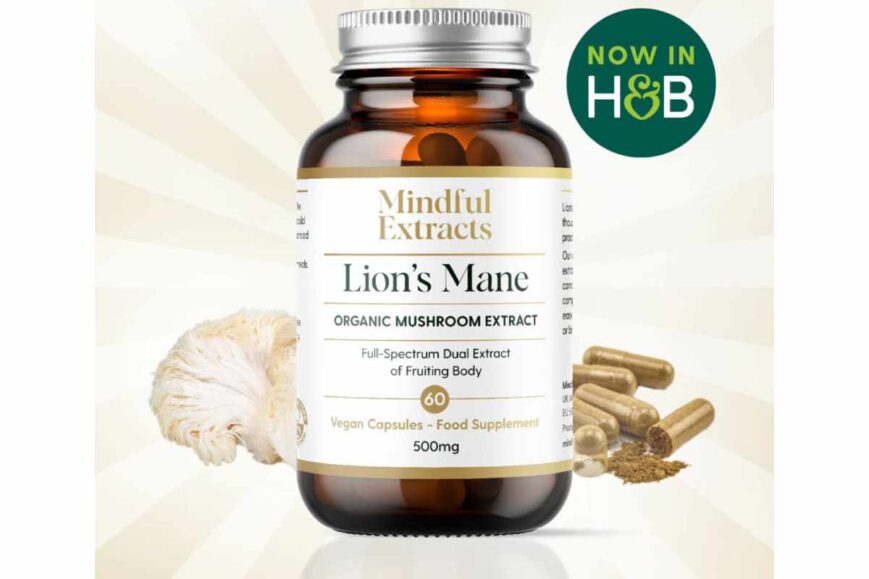
Lion’s Mane mushroom capsules are dietary supplements made from the medicinal mushroom Hericium erinaceus. This mushroom is widely used in traditional Asian medicine and modern wellness for brain health, memory, focus, and nerve support. Capsules are popular because they are easy to take and offer standardized doses.
What Are Lion’s Mane Capsules?
Lion’s Mane capsules contain powdered or extracted forms of the mushroom. They usually include:
- Fruit body extract or mycelium
- Beta-glucans (active compounds)
- Natural antioxidants
These compounds are believed to support cognitive function and nervous system health.
What are Lion’s Mane Mushroom Capsules?

The lion mane mushroom capsules are dietary supplements that comprise powdered mushroom as a whole, concentrate extracts of mushrooms or a mixture of both. Manufacturers may use:
- Powder (whole fruit body) of mushroom which is ground.
- Dual extraction (water and alcohol extraction) in order to extract polysaccharides which are soluble in water and alcohol which are soluble in alcohol.
- Extracts of standard content (e.g. erinacine or hericenone content)
Capsules have the potential to make dosing simpler (there is no mushroom soup to prepare) and allow one to take consistent, research-like doses. Yet, due to the lack of regulation of the supplements, the quality varies between the brands – consider third-party testing, visible ingredient list, and the extractions.
Key Bioactive Compounds
Lion’s mane is rich in compounds thought to influence the brain and immune system:
- Hericenones and erinacines -compounds that are not common, but might induce nerve growth factor (NGF) and nerve growth.
- Carbohydrates (such as beta-glucans) — can be helpful to the immune system and possess anti-oxidant properties.
- Phenolic compounds – antioxidants that are capable of decreasing oxidative stress.
These mechanisms are promising in lab and animal studies, but translating that to reliable human benefits requires careful clinical trials.
What the Human Studies Actually
Human research is limited, and increasing. The results are ambivalent, as some smaller randomised, placebo-controlled trials have shown a positive change in cognitive measures and mood, whereas others have not detected a significant change. In general, there is some inconclusive evidence.
Clinical trial snapshot
| Year / Type | Participants | Intervention (approx.) | Findings |
| 2019 / Small RCT (older adults, MCI) | ~30–50 | Hericium extract for 8–16 weeks | Improvements in some cognitive scales during supplementation; mixed follow-up results. |
| 2023 / Acute + chronic trial | Healthy young adults | Single and short-term doses | Slight improvements in processing speed and reduced subjective stress; small sample size. |
| 2024–2025 / Multiple small RCTs & reviews | Adults (varied) | Erinacine-enriched extracts, 4–8 weeks | Some studies report improved mood, BDNF/NGF markers; others are null. Meta-reviews call for larger trials. |
Bottom line: there are promising signals — especially for processing speed and mood/stress — but the science is not definitive yet. Larger, longer, standardized trials are needed.
Benefits
Lion’s Mane (scientific name Hericium erinaceus) is a popular natural supplement known for its effects on brain health, mood, immunity, and overall wellness. Here are the most important and research-supported benefits:
1. Supports Brain Health, Memory & Focus
- Lion’s Mane contains compounds like hericenones and erinacines, which may stimulate the growth of brain cells.
- It may improve memory, learning, and concentration.
- Some studies suggest it could help slow cognitive decline in older adults.
Research shows these compounds can promote nerve growth and improve mental performance in small human studies.
2. Promotes Nerve Regeneration
- Supports nerve growth factor (NGF) production.
- May help repair damaged nerves.
- Being studied for conditions like stroke, Parkinson’s, and nerve injuries.
Lab research indicates Lion’s Mane may help regenerate brain cells and support nervous system recovery.
3. Reduces Anxiety, Stress & Depression
- Anti-inflammatory properties may support emotional balance.
- Helps regulate brain regions linked to mood.
- Small studies show reduced symptoms of stress and depression.
Animal and preliminary human studies suggest Lion’s Mane may reduce anxiety and depressive symptoms.
4. Boosts Immune System
- Rich in antioxidants and beta-glucans.
- Supports immune cell activity.
- Helps the body fight infections and inflammation.
Antioxidants in Lion’s Mane may strengthen immune response and reduce oxidative stress.
5. Supports Heart Health
- May lower triglycerides and cholesterol oxidation.
- Improves fat metabolism.
- Helps maintain healthy blood vessels.
Studies suggest Lion’s Mane could reduce heart disease risk by improving lipid metabolism.
6. Improves Gut & Digestive Health
- Supports healthy gut bacteria.
- May protect against stomach ulcers and inflammation.
- Enhances the gut-brain connection.
Research shows Lion’s Mane may help protect the stomach lining and improve microbiome balance.
7. Helps Manage Blood Sugar & Diabetes
- May improve insulin levels and blood sugar control.
- Could reduce diabetic nerve pain.
Animal studies indicate it may lower blood glucose and improve metabolic health.
8. Anti-Inflammatory & Antioxidant Effects
- Helps reduce chronic inflammation.
- Protects cells from damage caused by free radicals.
- Supports long-term wellness and aging.
Lion’s Mane contains powerful antioxidants that limit oxidative damage.
9. May Support Healthy Aging
- Protects brain and nerve function.
- Helps maintain mental clarity and memory as you age.
- Studied for Alzheimer’s disease and dementia prevention.
Some studies show improved cognitive test scores in people taking Lion’s Mane supplements.
Dosage Guide
Clinical studies and reputable supplement databases typically report effective ranges. Here’s a practical dosing table you can use as a guideline.
| Form used in studies | Typical human dose range | Practical capsule example |
| Whole-mushroom powder / hot water extract | 1,050 – 3,000 mg per day total, split 2–3x/day. | If capsules are 500 mg, take 2–3 capsules twice daily (1,000–3,000 mg/day). |
| Standardized erinacine/hericenone extracts | Variable; often lower mg for enriched extracts (follow label) | Follow manufacturer instructions; look for standardization info. |
Notes:
- Many clinical trials used split dosing (e.g., morning and evening).
- If you’re trying lion’s mane for the first time, start at the lower end (e.g., 1,000 mg/day) and increase if tolerated.
- Be careful comparing labels — some products list “mushroom mycelium” vs “fruiting body” (fruiting body is generally preferred by many researchers and consumers).
Popular Lion’s Mane Mushroom Capsule Options
Comparison Table (India)
| Brand / Product | Strength | Key Features | Price Range (₹) | Best For |
| Mars Pure Lion’s Mane Capsules | 500–1000 mg | Affordable, popular in India, vegan | 600–700 | Beginners |
| PlantBro Lion’s Mane Mushroom Capsules | 650 mg | Fruit body extract, no fillers | 600–800 | Memory & focus |
| Host Defense Lion’s Mane Capsules | 500 mg | Premium, organic, global brand | 3500–4500 | Premium users |
| NOW Foods Lion’s Mane 500 mg | 500 mg | Trusted international brand | 3000–3500 | Quality & purity |
| Solaray Fermented Lion’s Mane Mushroom | 500 mg | Fermented formula, high absorption | 2500–3000 | Brain & nerve health |
| NutriJa Lion’s Mane Mushroom Extract | 1000 mg | High potency, Indian brand | 1200–1500 | Strong dosage |
| ROOTED Organic Lion’s Mane Extract Capsules | 38% beta-glucans | Organic, immune support | 900–1200 | Organic lovers |
| OstroVit Lion’s Mane VEGE | 600 mg | Budget-friendly, European brand | 600–700 | Value for money |
UK
| Product | Typical Strength | Key Feature | Price (approx) | Best For |
| Lion’s Mane 500 mg 60 Capsules | 500 mg | Simple, classic lion’s mane dosage | Moderate | Everyday cognitive support |
| Lion’s Mane Extract 1000 mg 90 Capsules | 1000 mg | Higher dose per capsule | Moderate-High | Stronger daily support |
| Lion’s Mane 5:1 Extract 180 Capsules | 500 mg (5:1 extract) | Concentrated extract (higher potency) | Higher | Enhanced focus & nerve support |
| KIKI Health Organic Lion’s Mane Extract | ~Standard | Organic & clean formula | Moderate | Natural/organic option |
| Organic Lions Mane Capsules | Standard | Generally positive reviews | Higher | Premium extract option |
| Wellgard Lion’s Mane Capsules | Standard | Brain health focused | Moderate | Brain clarity & wellness |
| Zenement Organic Lion’s Mane Extract 120 Capsules | Standard | Larger bottle size | Moderate | Longer supply |
| Viridian Organic Lion’s Mane Extract Capsules | Standard | Highly rated | Moderate | Quality organic choice |
Safety, Side Effects, and Drug Interactions
Lion’s mane appears generally well tolerated in culinary amounts and in the dosages used in small trials, but there are important caveats:
- Side effects: there are minor GI upset, nausea, or skin rashes in infrequent cases. Controlled studies usually have rare severe side effects.
- Allergy: is you are allergic to mushrooms, then stay away of lion mane.
- Blood sugar effects: animal and sparse human evidence indicates that there may be effects on blood glucose – persons on medication that regulate diabetes need to be vigilant and seek medical advice.
- Blood thinning: hypothetically dangerous (theoretically, many mushroom supplements may influence the platelets in a laboratory test model); there are anticoagulants/antiplatelet medications in the organism; consult your doctor.
- Where pregnancy and breastfeeding go: inadequate data — avoid or consult your provider.
- Quality and contaminants: due to the laxity of regulations of supplements, contamination or mislabeling may take place, as well as retreating unproclaimed components, which means that always select third-party tested brands.
- Significant safety warning: Adulteration or unproven ingredients Since they were found recently, a few marketed mushroom gummies (even those named to include lion’s mane) have been linked to serious adverse reaction and recall in certain countries. Are mushroom gummies purchased unregulated and novelty or recreationally sold by unacknowledged dealers.
Sample daily plan (how someone might add capsules to their routine)
- Morning: Lion’s mane capsule(s) with breakfast (e.g., 500–1000 mg)
- Midday: Second dose with lunch (e.g., 500–1000 mg)
- Optional evening: small dose if doing split 3x/day (avoid close to bedtime if it seems stimulating)
Pros & Cons
| Pros | Cons |
| Promising neuroprotective mechanisms (NGF/BDNF). | Human evidence limited & mixed; not proven for major cognitive disorders. |
| Some small trials show improved processing speed & reduced stress. | Supplements vary widely in quality and potency. |
| Generally well-tolerated in studies. | Potential interactions (blood sugar, anticoagulants); allergy risk. |
| Culinary mushroom — tasty and nutritious when eaten as food. | Beware of unregulated gummies/novelty products after safety incidents. |
FAQ
Q: Do you think Lion mane can make me become smart overnight?
A: No — it’s not a magic pill. There have been some trials when small improvements in specific tasks or mood over weeks are observed but it is not the IQ booster in a short time. The realistic approach is the consistent use paired with healthy habits.
A: It takes me a while before I see anything.
A: The normal duration of human-trial was 48 weeks. Others complain of some slight mood swings or loss of concentration earlier but then it takes them a month before they can make a judgment.
Q: Do Lion mane capsules have an addictive/habit-forming effect?
A: Suggestion of no addiction. It is said to be non addictive.
Q: Are there other nootropics or adaptogenic medications that I can take along with lion’s mane?
A: It has a lot of people combining it with other supplements, but there is a lack of research on the interactions. Initiate low, monitor side effects, and ask your clinician about drug interactions.
Final Thought
Lion mushroom capsules are a fascinating low-risk supplement, overall, having a plausible mechanism of brain health and mood support. In case you are interested, choose a well-known product (fruiting body or dual extract) and set the dosage according to the study (~1,000-3000mg/day total), but wait at least 4-8 weeks comparing the results with your feelings.