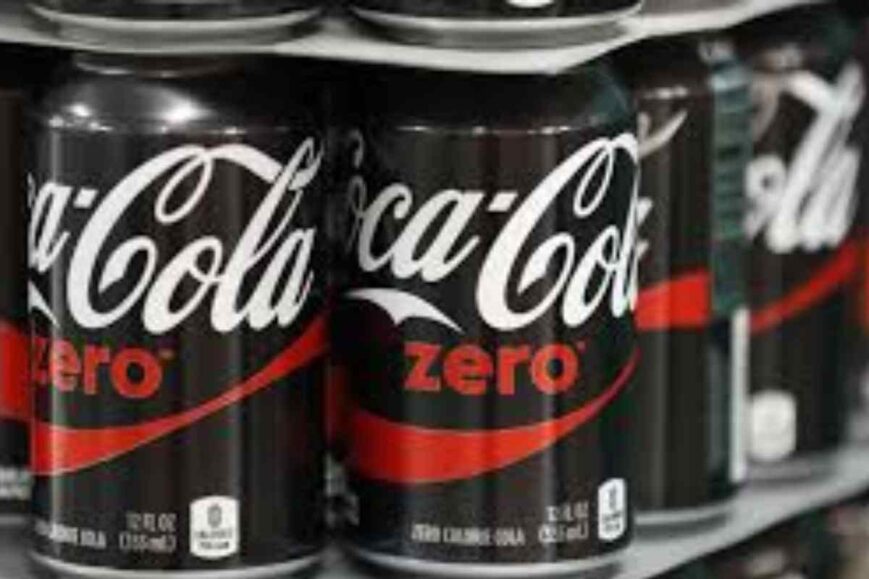
The Basics of the Coke Zero Nutrition Label – For a standard 12-ounce can (that’s your go-to single serving), it’s all zeros where it counts. Zero calories. Zero sugars. It’s marketed as a zero-calorie soda that lets you savour the classic cola taste without the crash.
But here’s the quick snapshot from the label itself:
- Serving Size: 1 can (12 fl oz / 355 ml)
- Calories: 0
- Total Fat: 0g (0% DV)
- Sodium: 40mg (2% DV)
- Total Carbohydrates: 0g (0% DV)
- Total Sugars: 0g (includes 0g added sugars)
- Protein: 0g
- Potassium: 60mg (2% DV)
No cholesterol, no fibre, no vitamins popping up as “significant sources.” It’s not trying to be a health food – just a fizzy treat for folks chasing low-carb drinks or cutting back on sweets. I remember grabbing my first Coke Zero during a road trip last summer, thinking it’d be a bland knockoff. Spoiler: the label’s promise held up, but more on that personal twist later.
If you’re eyeing bigger bottles, like a 20-ounce size, the numbers scale a tad – sodium jumps to about 70mg, potassium to 90mg – but the zeros stay zero. Pro tip: Always check the label for your exact size, since portions vary.
Breaking Down the Macros: Calories, Carbs, and Sugars
Let’s zoom in on what makes the Coke Zero nutrition label a win for dieters. That big fat 0 calories? It’s no gimmick. Unlike regular Coke’s 140 calories per can from high-fructose corn syrup, Zero swaps it out entirely. For anyone tracking macros – think keto folks or intermittent fasters – this is gold. No carbs means no insulin spikes, and zero sugars keep it off the glycemic index radar.
Bold highlight: The zero-sugar secret? Artificial and natural sweeteners do the heavy lifting here. No added sugars means it’s diabetes-friendly in moderation, but we’ll unpack the sweeteners next.
In my routine, I pair a Coke Zero with lunch salads to add that crave-busting tang without derailing my calorie count. It’s like having your cake (or cola) and drinking it too. If you’re new to sugar-free cola, start small – the aftertaste can surprise you at first.
Sweeteners in Coke Zero: Aspartame, Ace-K, and the Stevia Twist
Now, the part that sparks debates: those sweeteners listed under ingredients. The Coke Zero nutrition label doesn’t detail them in the macro section, but flip to the back, and you’ll see aspartame, acesulfame potassium (Ace-K), and a dash of stevia extract. These are the MVPs keeping it sweet without the calories.
- Aspartame: The OG low-cal sweetener. It’s 200 times sweeter than sugar, so a tiny bit goes far. Clocking in at about 0.2g per can, it’s broken down into amino acids your body uses like protein bits.
- Acesulfame Potassium (Ace-K): Another zero-cal champ, 200x sweeter too. It pairs with aspartame to balance the flavor – think of it as the smooth operator.
- Stevia Extract: Coke added this natural leaf-derived sweetener in recent years for that “cleaner” vibe. It’s plant-based, zero-cal, and helps cut the artificial edge.
Worried about safety? I’ve heard the aspartame scares – headaches, weight gain myths – but studies from places like the FDA say it’s fine for most adults up to 50mg per kg of body weight daily. A can has way less. Still, if you’re sensitive, chat with your doc. Semantically speaking, these tie into broader chats on artificial sweeteners in diet beverages, where the consensus leans safe but not “superfood” status.
One buddy of mine ditched sodas cold turkey after sweetener jitters, but I eased in with half cans mixed with sparkling water. Game-changer for flavor without full commitment.
Sodium and Potassium: The Electrolyte Angle You Might Miss
Don’t sleep on the sodium and potassium lines – they’re small but sneaky on the Coke Zero nutrition label. At 40mg sodium, it’s low – just 2% of your daily max – so it won’t bloat you like some salty snacks. Potassium at 60mg (2% DV) is a quiet bonus, helping with muscle function and blood pressure balance.
For athletes or low-sodium dieters, this makes Coke Zero a chill pick over electrolyte drinks that pack extra cals. I toss one back post-gym sometimes; the fizz hydrates without the sugar fog. Related LSI: In low-sodium beverages, it’s a solid contender.
Caffeine Kick: How Much Is in Your Can?
Ah, the buzz. The label doesn’t scream it, but Coke Zero packs 34mg of caffeine per 12-ounce can – about a third of a coffee’s jolt. Sourced from natural stuff, it gives that familiar pick-me-up without calories.
- Pros: Sharpens focus for afternoon slumps.
- Cons: If you’re caffeine-naive or stacking with coffee, it adds up – aim under 400mg daily for adults.
I once chugged two during a late-night write session and felt the weird regret. Lesson learned: One’s plenty for me. For caffeine in diet sodas, it’s consistent across brands, but Zero’s ties right into its cola roots.
Full Ingredients List: From Fizz to Finish
Beyond macros, the Coke Zero nutrition label lists:
- Carbonated water (the base bubble)
- Caramel color (for that deep hue)
- Phosphoric acid (tangy bite)
- Potassium benzoate (preservative)
- Natural flavors (the secret sauce)
- Potassium citrate (pH balancer)
- And those sweeteners we covered
- Caffeine
Warning flag: “Phenylketonurics: Contains phenylalanine” – that’s for folks with PKU, a rare disorder. Skip if that’s you.
No allergens like nuts or dairy, so it’s straightforward. Compared to sugar-free drinks with funky additives, this feels classic.
Myths and Facts: Busting Coke Zero Hype
Let’s address the elephant: Does Coke Zero make you gain weight? Myth – studies show diet sodas like this don’t sabotage diets if they curb regular soda cravings. Fact: It might even help by satisfying sweet tooths.
Another: “Artificial sweeteners are poison.” Neutral take – they’re FDA-approved, but whole foods win long-term. I lean on it as a tool, not a staple.
For deeper dives, link to our guide on diet soda myths.
Tips for Reading and Using the Coke Zero Nutrition Label
Scanning labels can feel like homework, but here’s how I make it easy – chopped into bites:
- Bold it up: Focus on calories and sugars first – zeros here? Green light.
- Portion check: That 2-liter bottle? Triple the sodium – sip slow.
- Mix it: Blend with lemon for a low-cal mocktail; amps flavor without extras.
- Track it: Apps like MyFitnessPal log it quickly – zero hassle.
- Swap smart: Use for soda streams to control fizz on demand.
These keep zero sugar cola fun, not obsessive.
My Story: From Soda Skeptic to Zero Fan
Picture this: Two years back, I was knee-deep in a “no-sugar January” challenge, eyeing every label like a hawk. Regular Coke was my vice – 140 cals a pop added up fast during desk-job days. I grabbed a Coke Zero on a whim at the gas station, scanned the Coke Zero nutrition label, and thought, “Eh, why not?” First sip: Familiar cola punch, no syrupy regret.
Fast-forward: It’s my go-to for movie nights or hikes. Helped drop 10 pounds without feeling deprived. Sure, I miss the real deal sometimes, but mixing in fruit essences keeps it fresh. If you’re on the fence with low-calorie beverages, start with one can a day – your taste buds adjust quicker than you think.
Wrapping Up: Why the Coke Zero Nutrition Label
There you have it – the unfiltered scoop on the Coke Zero nutrition label, from zero-cal bliss to that subtle caffeine nudge. It’s not perfect (no drink is), but for craving classic fizz without the fallout, it delivers. Next time you pop a tab, give that label a nod – it’s your low-key ally in smarter sipping.