

The topical Fradiomycin cream is one of the many medicines an Indian hears of first from their local pharmacist, a relative or an unused tube from the medicine box. This is a topical antibacterial and is applied for treatment of pyogenic bacterial infections of the skin. These include cuts, wounds (minor), burns (minor), boils, impetigo etc. It appears on the pharmacy listings as Soframax, Sofracent 0.5% Skin Cream, Sofraxine.
Definition: What Fradiomycin Skin Cream Means
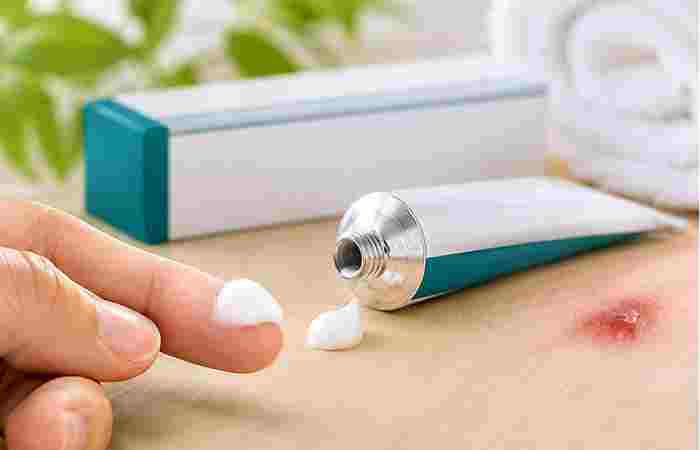
Basically fradiomycin skin cream is used on the skin to prevent bacterial growth in the area of infection. Pharmacy definitions state that Fradiomycin is an aminoglycoside antibiotic, which in a cream format is used topically to treat skin-based bacterial infections.
Key point to remember here it isn’t some sort of “all-round” skin cream. This is only really relevant if bacteria are a component of the infection which is why it is usually presented in relation to skin that is infected and not simply dry or used in cosmetics etc.
Where It Is Commonly Used
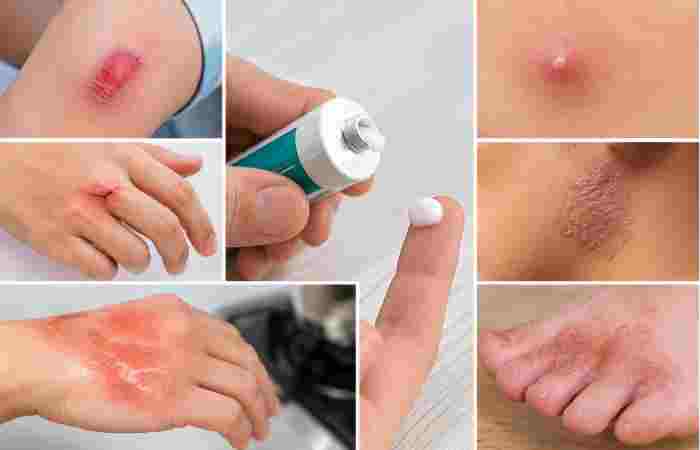
Fradiomycin skin cream is listed by medical professionals and pharmacy references for numerous bacterial skin conditions. It is indicated for use on infected cuts and wounds, burns (minor), ulcers, boils, impetigo, paronychia, sycosis barbae, and some secondary bacterial infections associated with scabies or lice. It is an experience familiar to most households in India as minor injuries become infected some days later, and often heal with its use as the skin surface is often kept damp, unclean, or is inflamed.
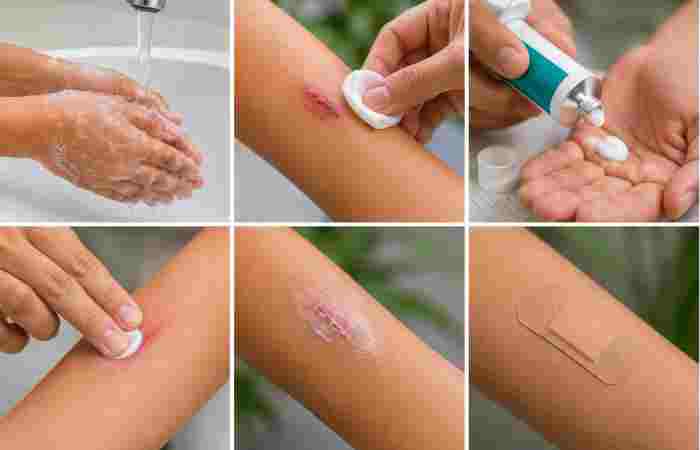
This cream is to be used on the skin only. You should apply a small amount of the cream onto a dry clean area of skin, and remember to wash your hands before and after applying the cream, unless your hands are the area you are applying it to.
Do not use the cream near your eyes, nose, or in the mouth. It is advised by the pharmacists that the area to which the cream is to be applied should be uncovered with a dressing unless told to do so by your doctor, as this would result in increased absorption and thus more likely adverse effects.
A Quick Comparison Table
| Medicine | Main use | How it is usually thought about | Useful note |
| Fradiomycin skin cream | Skin infections of the bacteria type, infected cuts or wounds, burns (minor) boils, impetigo, and other skin infections | An antibiotic that is applied to the skin and used for infected skin which appears bacterial | Use only as instructed. Do not allow to contact eyes, mouth or nose. |
| Mupirocin topical | Common bacterial skin infections like impetigo | A common treatment of bacterial skin infections. Does not work on fungal or viral infections | It is necessary to dry and clean area well prior to application It is the cause of some irritations. |
| Neomycin topical | Bacterial skin infections and infected cuts/wounds | Another topical antibiotic option used for skin infections | May cause burning, irritation, itching, or redness in some people. |
This comparison is useful because many people mix up antibiotic creams. Even though these medicines may sound similar, the exact choice depends on the skin problem, the area affected, and what the doctor thinks is causing the infection.
When Fradiomycin May Fit Better
Fradiomycin skin cream can be a useful remedy where there is a simple bacterial infection of the skin; for example following a cut, scratch, burn, or other simple abrasion. Indian pharmacy information refers to its use in cases of boils, impetigo, and infected wounds.
It has sometimes been referred to as a “skin first-aid antibiotic” but the term needs to be understood with caution. It should not be used as a replacement for professional medical care if the infection is expanding, extremely painful, deep, or not resolving. The official pharmacy advice warns that patients should see their doctor if there is no improvement after finishing the prescribed treatment or if there is an increase in symptoms.
Side Effects and Skin Reactions to Watch For
Skin irritation: As with other topical antibiotics, fradiomycin skin cream is likely to produce skin irritation in certain patients. Pharmacy product lists describe pruritus, erythema and skin rash as potential hypersensitivity-type reactions. Similar reactions to topical preparations of neomycin (burning and itching of the skin followed by redness) are seen, indicating why theskin needs to be watched with this class of drugs.
If a rash spreads, swelling appears, breathing becomes difficult, or the area gets much worse after application, the medicine should be stopped and medical advice should be taken quickly. That kind of reaction is not something to ignore.
Important Cautions Before Use
Fradiomycin skin cream should be used carefully in pregnancy and breastfeeding. Apollo’s pharmacy guidance says it is not recommended in pregnancy because it may cause fetal harm, and breastfeeding use should be discussed with a doctor first. Another pharmacy source also says pregnant and breastfeeding mothers should use it only if prescribed.
It is also listed as safe for children only if prescribed by a doctor. That is a sensible rule for any antibiotic cream, because children’s skin can be more sensitive and the wrong use can create more problems than it solves.
Practical Table: What to Do and What to Avoid
| Situation | Best approach | Why it matters |
| Clean small infected cut or wound | Using the applicator on clean dry area apply the thinnest layer of it | Enables the medicine to be effective on the relevant skin surface. |
| Accidental ingestion of cream in the eyes or mouth. | Rinse well in water. Consult your doctor if irritation persists | This medication is for external use only. |
| Treating the area with a bandage | Avoid covering unless a doctor says so | Covering can increase absorption and side effects. |
| Missed a dose | Take it when remembered, unless the next is close by. | Never double up to catch up. |
| Your skin turns redder or gets more itchy | Pull over and talk to the doctor | Perhaps it’s irritation or an allergy. |
How Fast Does It Work?
The majority of textbooks indicate that Fradiomycin skin cream has a reasonably quick onset of action; however, the bacteria responsible for causing the problem and associated symptoms may require several days of treatment before it is completely eradicated and skin is clear. As such, it is usually advised that the whole course of treatment is completed regardless of initial improvement.
This is one of the commonest mistakes when using topical antibiotics; finishing the course too early. A bacterial infection of the skin may appear to be clearing up before it has been properly treated and the course stopped can result in recurrence.
Simple Bullet Points That Explain It Clearly
- It’s a topical antibiotic for treating bacterial infections of the skin.
- It’s usually prescribed for bacterial skin infections in cuts, burns (minor), boils, wounds, impetigo, and so on.
- It is meant for external use only.
- Avoid contact with the eyes, mouth and nose.
- Do not use more than you are told to, as more medicine will not heal you more quickly.
- Be aware of the following effects-itchiness, redness, a rash or stinging. Use with caution in pregnancy, breast-feeding or in children as only directed.
Fradiomycin Skin Cream vs Other Common Choices
When someone looks for skin antibiotic creams in India they most commonly end up in between a few names. Fradiomycin gets often mentioned along mupirocin and neomycin, as all three have been used for bacterial skin infections with their own indication. Mupirocin gets commonly used for bacterial skin infections, like impetigo. Neomycin also for bacterial skin infections and in case of infected cuts or wounds.
So the issue isn’t really “which is best for everyone?” but “which one is appropriate for the issue on the skin?” This has to be said by a doctor or a pharmacist, based on the observed condition, location and severity.
Final Thoughts
Certainly Fradiomycin skin cream has a definite role in Indian topical prescribing, being easily accessible, familiar and effective for some types of skin infections. The best role for it lies in appropriate prescribing; to the correct type of wound, in the appropriate dose, for the correct duration. This is not an exotic, glamourous medication but can be an accessible and reliable choice for small skin infections given the correct advice.
Also Read: https://www.healthcaresin.com